Watching the Perseid Meteor Shower Near Gatlinburg
Published Oct 8, 2026
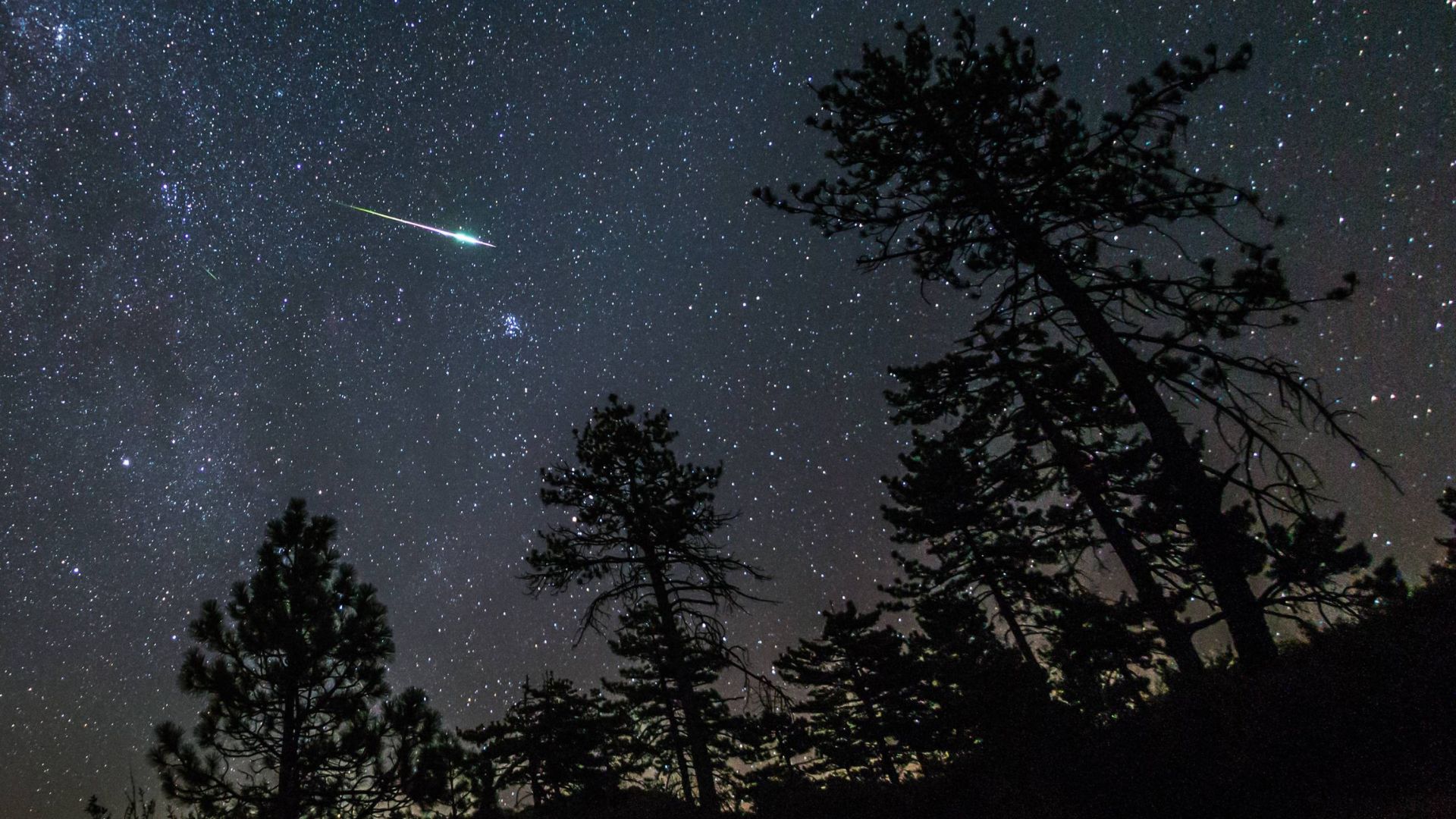
Every August, the night sky over the Smokies puts on one of the best free shows of the year: the Perseid meteor shower. It's the most popular meteor shower of the summer, known for bright, fast meteors and the occasional dramatic fireball — and the dark skies around Gatlinburg and the national park make this a wonderful place to watch it. Here's when the Perseids peak, how to watch, and where to go near Gatlinburg for the best view.
Peak: Around August 11–13
At its best: Up to ~100 meteors per hour under dark, clear skies
Best time to watch: After midnight until dawn
Gear: None — just your eyes, a blanket, and patience
What the Perseids are
The Perseids happen when Earth passes through the trail of dust and debris left behind by Comet Swift-Tuttle. As those tiny particles hit our atmosphere and burn up, they create the streaks of light we call meteors — or "shooting stars." The shower is active for several weeks but builds to a peak in mid-August, when, under ideal dark-sky conditions, you might see up to 100 meteors an hour. The Perseids are also famous for producing fireballs — especially bright, long-lasting meteors that can light up the sky.
The meteors appear to radiate from the constellation Perseus, which rises in the northeastern sky, but you don't need to find it — the meteors streak all across the sky, so the trick is simply to take in as much of it as you can.
When to watch
The shower peaks around August 11–13, but you can catch meteors for days on either side of that. The best viewing is after midnight and into the pre-dawn hours, when the radiant climbs higher and the sky is at its darkest. If staying up that late isn't in the cards, it's still worth looking after full dark in the evening — you may catch slower, dramatic meteors skimming the horizon.
One thing to check each year: the moon. A bright moon washes out fainter meteors, so the Perseids are far better in years when the peak falls near a new moon or the moon sets early. Before you plan your night, look up the moon phase for that year's peak — it makes a big difference.
Where to watch near Gatlinburg
The single most important factor is getting away from light pollution and finding dark, open sky. The good news is that the Gatlinburg area has some genuinely dark spots nearby, from high-elevation overlooks to the open fields of the national park. Rather than repeat the whole list here, see our full guide to the best dark-sky spots in the Smokies — the same locations that are great for stargazing (Newfound Gap, the Foothills Parkway overlooks, Cades Cove, and more) are exactly where you'll want to be for the Perseids.
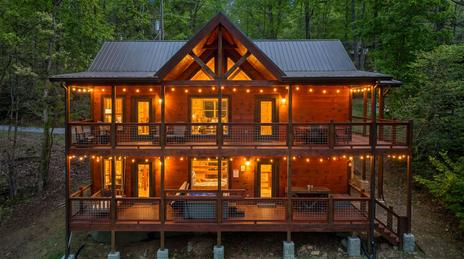
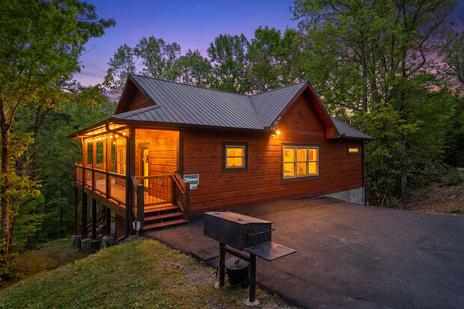
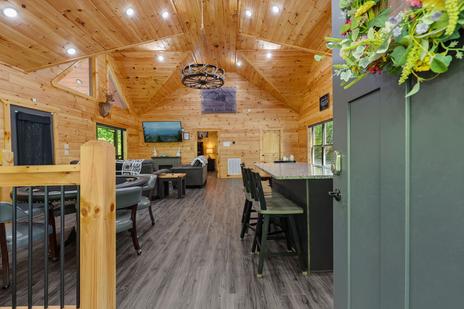
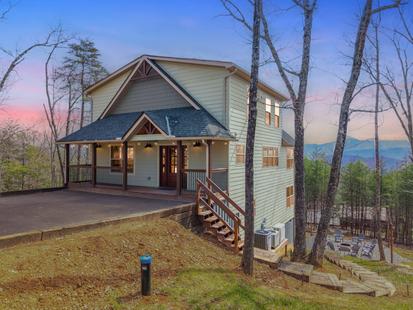
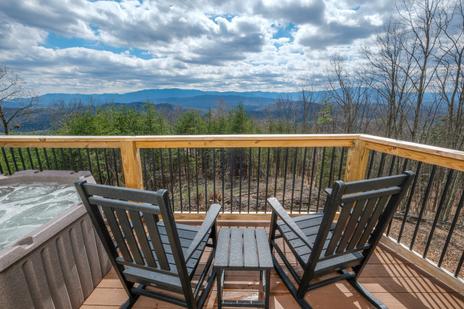
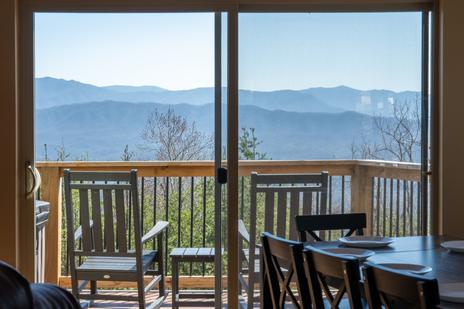
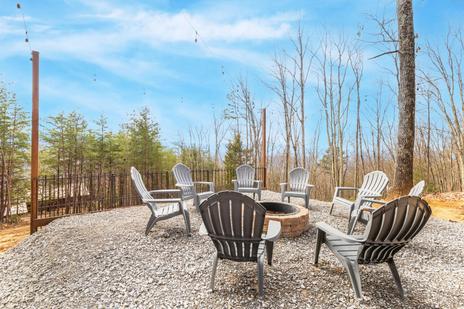
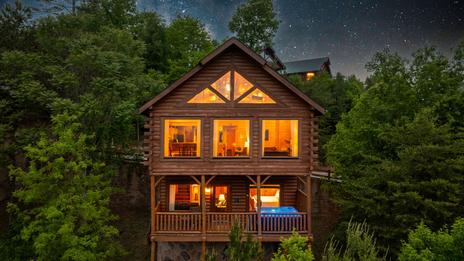
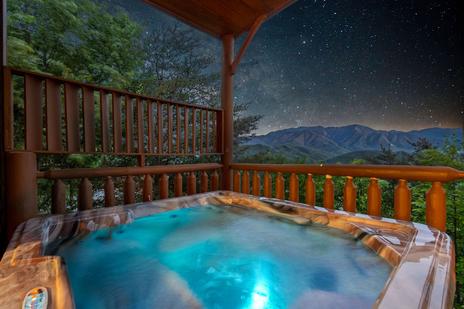
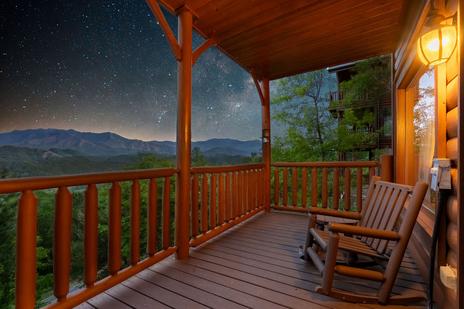
And don't overlook the easiest option of all: if your cabin sits up a quiet mountain road away from town lights, your own deck may be one of the best seats in the house — no driving, no crowds, and you can head straight to bed afterward.
How to watch the Perseids
- Leave the telescope at home. Meteor showers are a naked-eye event — a scope actually narrows your view. Your own two eyes are the best tool.
- Let your eyes adjust. Give yourself at least 20–30 minutes in the dark without looking at any bright light, and put your phone away (or set it to a dim red screen). Your night vision is everything.
- Get comfortable. Lie back on a blanket or a reclining chair so you can watch a wide swath of sky without craning your neck. This is a relax-and-look-up activity.
- Be patient. Meteors come in bursts, not a steady stream — you might see nothing for a few minutes, then several at once. Give it at least an hour.
- Pack for the night. Even in August, mountain nights can be cool at elevation, so bring a layer — plus bug spray, snacks, and something warm to drink.
Make a night of it from your cabin
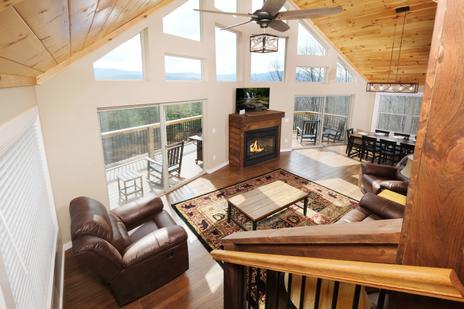
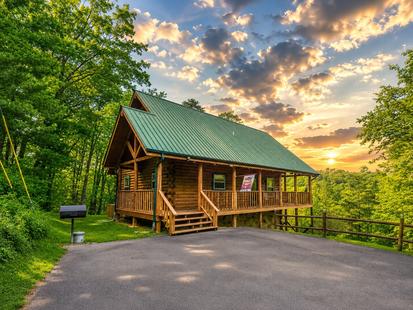
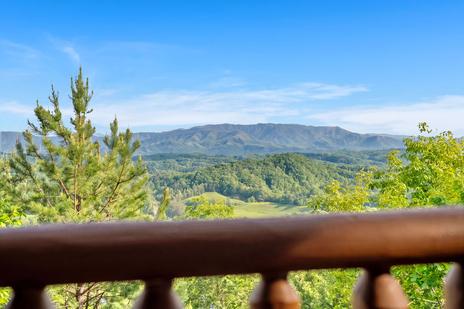
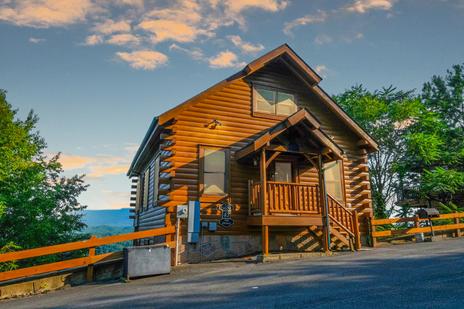
The Perseids are one of the best reasons to book an August getaway in the Smokies — a warm summer night, a dark mountain sky, and a show that costs nothing but a little patience. A cabin in a quiet, wooded setting turns it into something easy and memorable: watch from the deck, then walk a few steps to bed. Colonial Properties offers private cabins across Gatlinburg and Pigeon Forge, including many with mountain views and dark, peaceful surroundings perfect for a night under the stars.
Frequently asked questions
When is the best time to see the Perseid meteor shower?
The Perseids peak around August 11–13 each year, though you can see meteors for days on either side. The best viewing is after midnight and into the pre-dawn hours, when the sky is darkest and the shower's radiant is highest.
How many meteors will I see?
Under dark, clear skies at the peak, you could see up to around 100 meteors per hour. In reality, light pollution, moonlight, and clouds all reduce that number — which is why getting to a dark spot and checking the moon phase matters so much.
Where can I watch the Perseids near Gatlinburg?
Anywhere dark with open sky. The high-elevation overlooks and open valleys of the national park — the same spots that are great for stargazing — are ideal. If your cabin is away from town lights, your own deck can be one of the best and easiest viewing spots of all.
Do I need any special equipment?
No. Meteor showers are best seen with the naked eye — a telescope or binoculars actually narrow your view. All you really need is a dark sky, a blanket or reclining chair, warm layers, and a little patience while your eyes adjust to the dark.
What causes the Perseid meteor shower?
The Perseids occur when Earth passes through the trail of debris left by Comet Swift-Tuttle. The tiny particles burn up in our atmosphere as bright streaks of light, and the shower is especially known for producing dramatic fireballs.
Planning an August trip around the Perseids? Book a cabin with dark skies and a view. Colonial Properties offers private cabins across Gatlinburg, Pigeon Forge, and the Smokies — many in quiet settings perfect for a night under the stars.