Musical Roots of Dolly Parton's Birthplace
Published Oct 9, 2023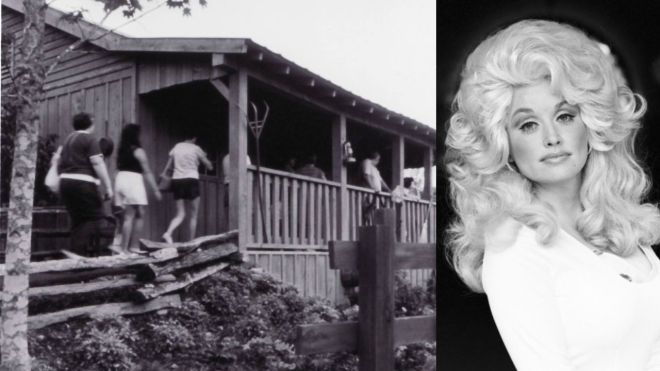
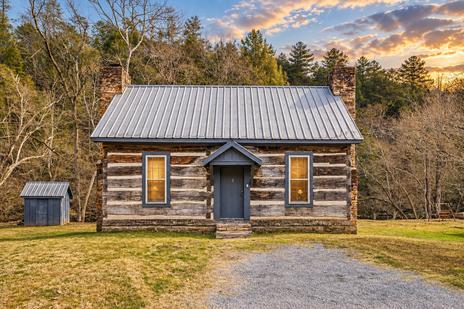
Beneath the rhinestones and the fame, Dolly Parton was always a Smoky Mountains sharecropper's daughter from Locust Ridge — a small community in the hills above Sevierville where she was born in 1946 and grew up in a one-room cabin with eleven brothers and sisters. The music that made her one of the most recognized artists in American history started there, in that cabin, in that family, in those mountains.
Mountain music was everywhere she turned
The Appalachian musical tradition that surrounded Dolly's childhood wasn't a genre she discovered — it was the air she breathed from birth. Her family played fiddles, mandolins, banjos, and guitars. By seven she was playing a homemade instrument she'd fashioned herself; at eight she received her first real guitar, a gift from her uncle. Her mother sang traditional Appalachian ballads around the house — mountain songs that carried the cadences of Scots-Irish settlers and generations of mountain life. At the church where her grandfather was the preacher, and also a fiddler, Dolly absorbed hymns and spirituals that stayed in her voice for the rest of her career. Bluegrass and country music came through the local radio stations that reached the mountain hollows of Sevier County.
That convergence of influences — family music, church music, Appalachian ballads, early country radio — produced something singular. Dolly was performing on local radio shows by the time she was ten. At thirteen, she appeared on stage at the Grand Ole Opry in Nashville. At sixteen, she cut her first record. The day after her high school graduation, she packed her belongings and left for Nashville — a trajectory that had been running since childhood in those mountains.
Songwriting about her life
Dolly has written more than 5,000 songs across her career, and the most enduring of them return again and again to the Locust Ridge childhood that shaped her. "Coat of Many Colors" tells the story of the patchwork coat her mother sewed from rags — the children at school mocked it, but Dolly understood it as an expression of love richer than anything money could buy. "My Tennessee Mountain Home" paints the Sevier County landscape in specific, sensory detail: the peaceful front porches, the smell of honeysuckle, the walks home from church through a landscape she clearly loved and missed. "In the Good Old Days (When Times Were Bad)" confronts the poverty of that upbringing directly, without sentimentality, and honors it.
The specificity of these songs — the real places, real objects, real people behind them — is what separates them from generic country nostalgia. Dolly wrote what she knew because she knew it completely. The mountains gave her that material, and she never stopped drawing from it across five decades of songwriting.
Echoes of Dolly in Sevierville
Sevierville carries Dolly's presence in ways that are specific and findable. The bronze statue of Dolly in front of the Sevier County Courthouse — erected in 1987 by county residents who wanted to honor their most famous native — depicts her as she looked in the late 1980s, guitar in hand, a landmark that draws visitors from across the country. The Pines Theater, where Dolly gave one of her first paid performances as a child, still stands in downtown Sevierville, now a duckpin bowling venue. The First Baptist Church she attended as a girl is part of a building complex on the main street; the former grocery store where she sang weekly as a youngster is incorporated into that block.
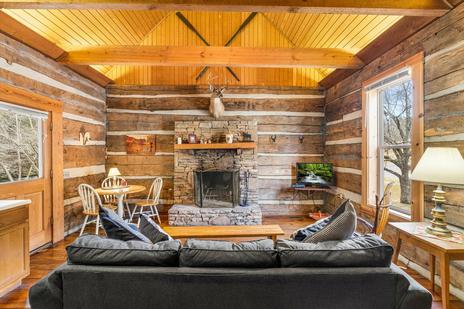
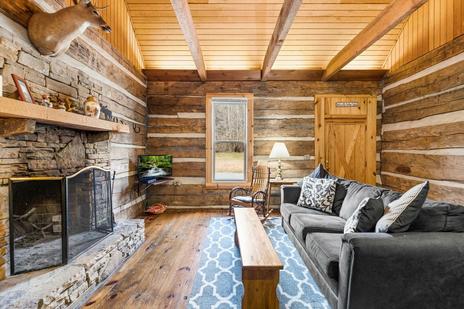
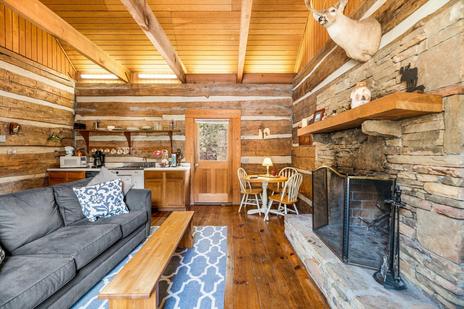
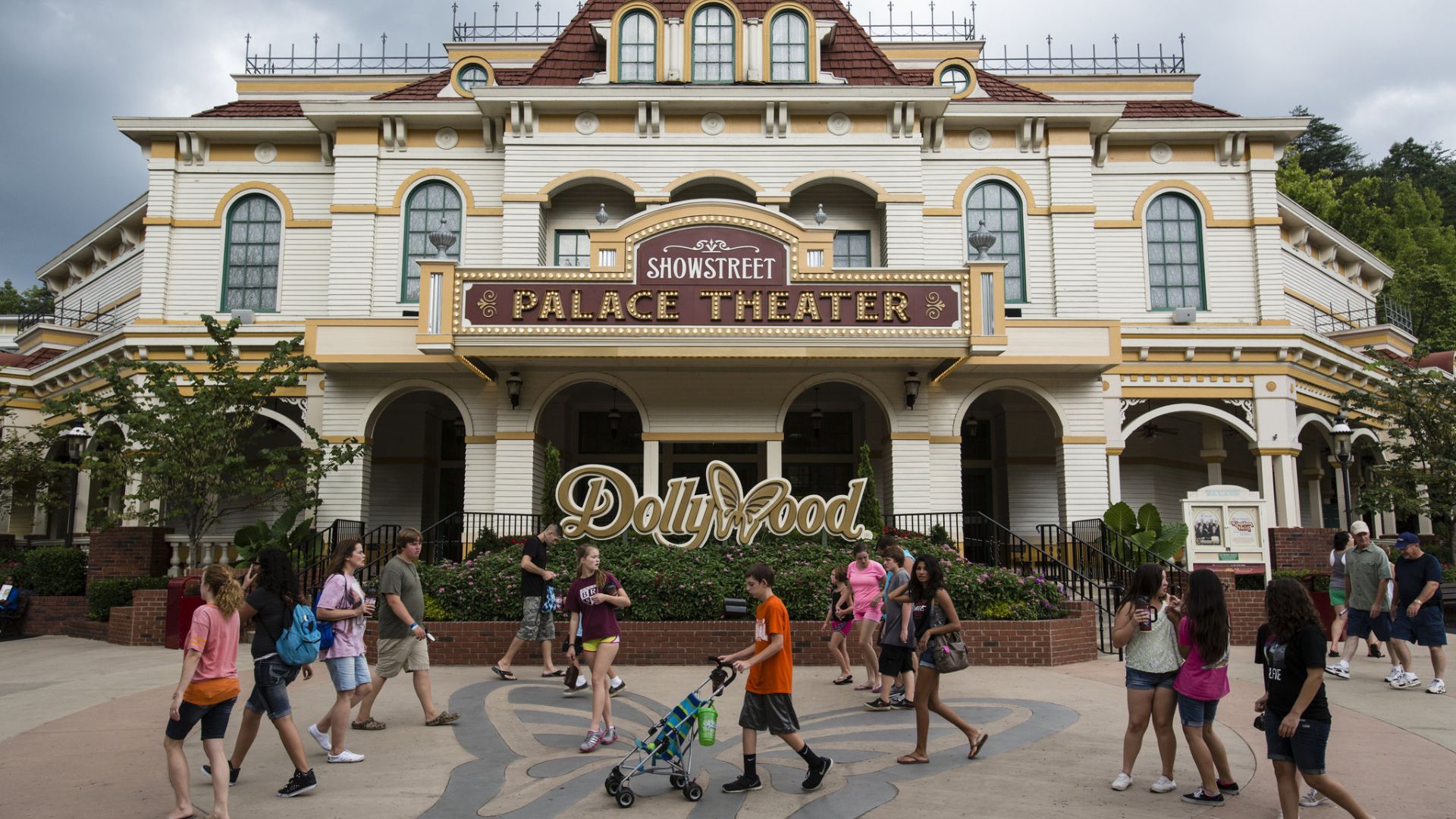
At Dollywood, the Dolly Parton Experience opened in 2024 as the most comprehensive museum of her life ever assembled — a multi-building immersive attraction that includes a recreation of the Locust Ridge childhood cabin, built from family recollections and photographs. Standing inside that replica, the origins of everything that came after it become immediately concrete. The one-room cabin where twelve children grew up, where the music started, where the songwriting instinct was first formed — it's small in the way that makes the achievement that followed it feel genuinely improbable and genuinely earned.
Visit the Sevierville attractions page for current information on Dolly's landmarks and the broader Sevierville area.
Frequently asked questions
Where was Dolly Parton born?
Dolly Parton was born on January 19, 1946, in a one-room cabin on Locust Ridge in the mountains above Sevierville, Tennessee. She was the fourth of twelve children born to Robert Lee and Avie Lee Parton. The Locust Ridge community is a rural area in the hills of Sevier County, about ten miles from downtown Sevierville.
Can you visit Dolly Parton's birthplace?
The original cabin on Locust Ridge is on private property and not open to the public. A recreation of the childhood cabin is part of the Dolly Parton Experience at Dollywood, which opened in 2024 and is accessible with standard park admission. The Dolly Parton statue at the Sevier County Courthouse in downtown Sevierville is publicly accessible and a natural first stop for any Dolly-focused visit to the area.
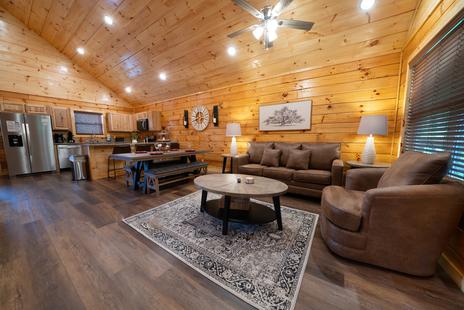
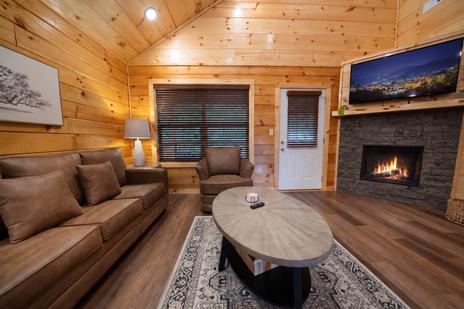
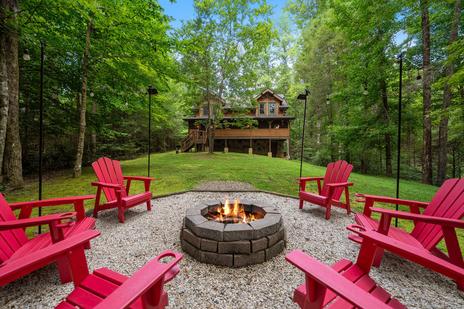
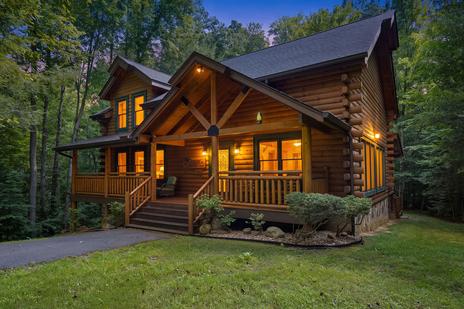
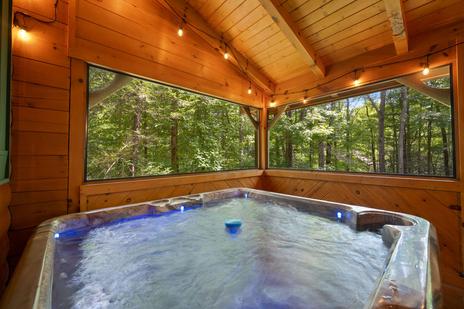
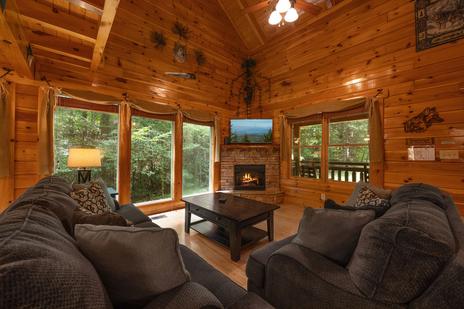
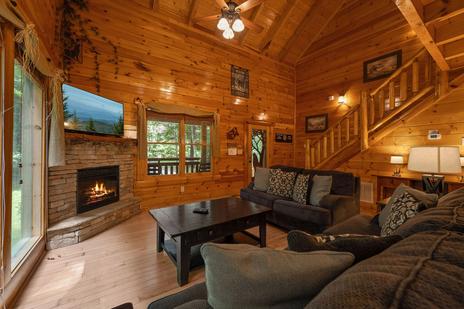
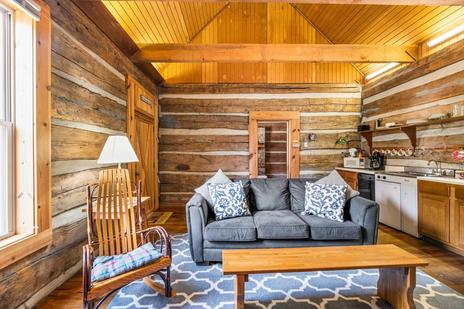
Stay in a Sevierville cabin rental — close to Dollywood, the Dolly statue, and the mountains that made her.