4 Tips for Seeing Elk in Cherokee, NC
Published Dec 30, 2021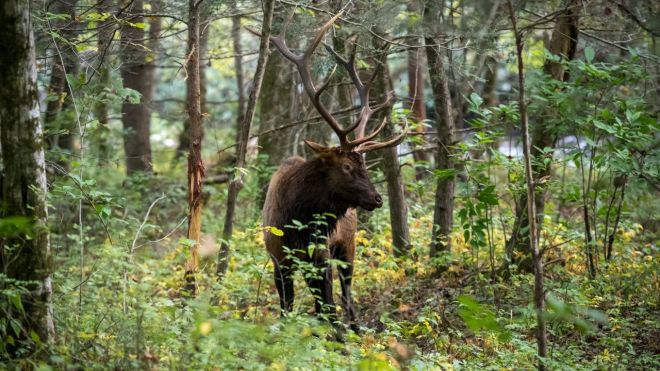
Wild elk disappeared from the southern Appalachians in the late 1700s. In 2001, the National Park Service reintroduced them to Great Smoky Mountains National Park, and the herd has grown to roughly 150 to 200 animals. They're not hard to find — if you know where to look and when to go.
Why elk are back in the Smokies
The Eastern Elk that once roamed the southern Appalachians were hunted to regional extinction by the late 18th century. The last of them in North Carolina disappeared in the 1790s. In 2001, the National Park Service reintroduced 25 elk from Land Between the Lakes in Kentucky and Elk Island National Park in Canada into Cataloochee Valley — a remote, meadow-rich valley in the southeastern corner of the park, on the North Carolina side. Twenty-seven more animals followed in 2002. The herd now numbers somewhere in the 150 to 200 range, and in recent years has expanded beyond Cataloochee into the Oconaluftee area near Cherokee, Maggie Valley, and the Blue Ridge Parkway corridor.
All elk in the park are radio-collared and monitored by the National Park Service. They are wild animals, not habituated to human feeding, and they are genuinely large — bulls can weigh up to 700 pounds or more, and cows are proportionally smaller but still formidable. The minimum safe viewing distance is 50 yards. During fall rut — when bulls are actively competing for cows — that distance is especially important, as bulls are aggressive and unpredictable. Use binoculars or a telephoto lens; elk are visible enough from safe distances that there's no reason to approach.
Where to find elk
Oconaluftee Visitor Center, Cherokee, NC — Since around 2022, a significant portion of the herd has shifted toward the Oconaluftee area near the park's southern entrance. The fields adjacent to the Oconaluftee Visitor Center and the lowland meadows roughly one mile up US-441 from the visitor center are now among the most reliable elk viewing locations in the park. The 1.5-mile Oconaluftee River Trail — which runs from the visitor center along the river — provides walking access to additional meadow sightings, particularly in fall. This is the most accessible option for visitors who can't make the longer drive to Cataloochee.
Cataloochee Valley — The original reintroduction site remains the heart of the herd's range. The valley sits in the southeastern corner of the park, north of Waynesville and Maggie Valley, reached via a narrow winding road off I-40 (exit 20). The drive from Gatlinburg is roughly an hour and 40 minutes to two hours. Cataloochee is a genuine destination — beyond the elk, the valley preserves a collection of late 19th-century Appalachian homesteads, churches, and barns that tell the story of the mountain communities that lived there before the park was established in 1934. Plan for a full morning or afternoon if you're making the trip. Note that no food, gas, or commercial services are available once you leave the main highway — arrive prepared.
Maggie Valley and the Blue Ridge Parkway — Elk have migrated into the corridor along Highway 19/Soco Road through Maggie Valley, and are also seen periodically along the Blue Ridge Parkway between Maggie Valley and Cherokee. These sightings are less predictable than the Oconaluftee or Cataloochee locations but can happen at any time.
Best times to see elk
Elk are most active during the cooler parts of the day — early morning from before sunrise through mid-morning, and again in the late afternoon through dusk. Midday sightings are less common in summer but more likely on overcast days and just before or after weather moves through. In winter, females and calves are the most visible animals in the valley meadows, primarily in the late afternoon.
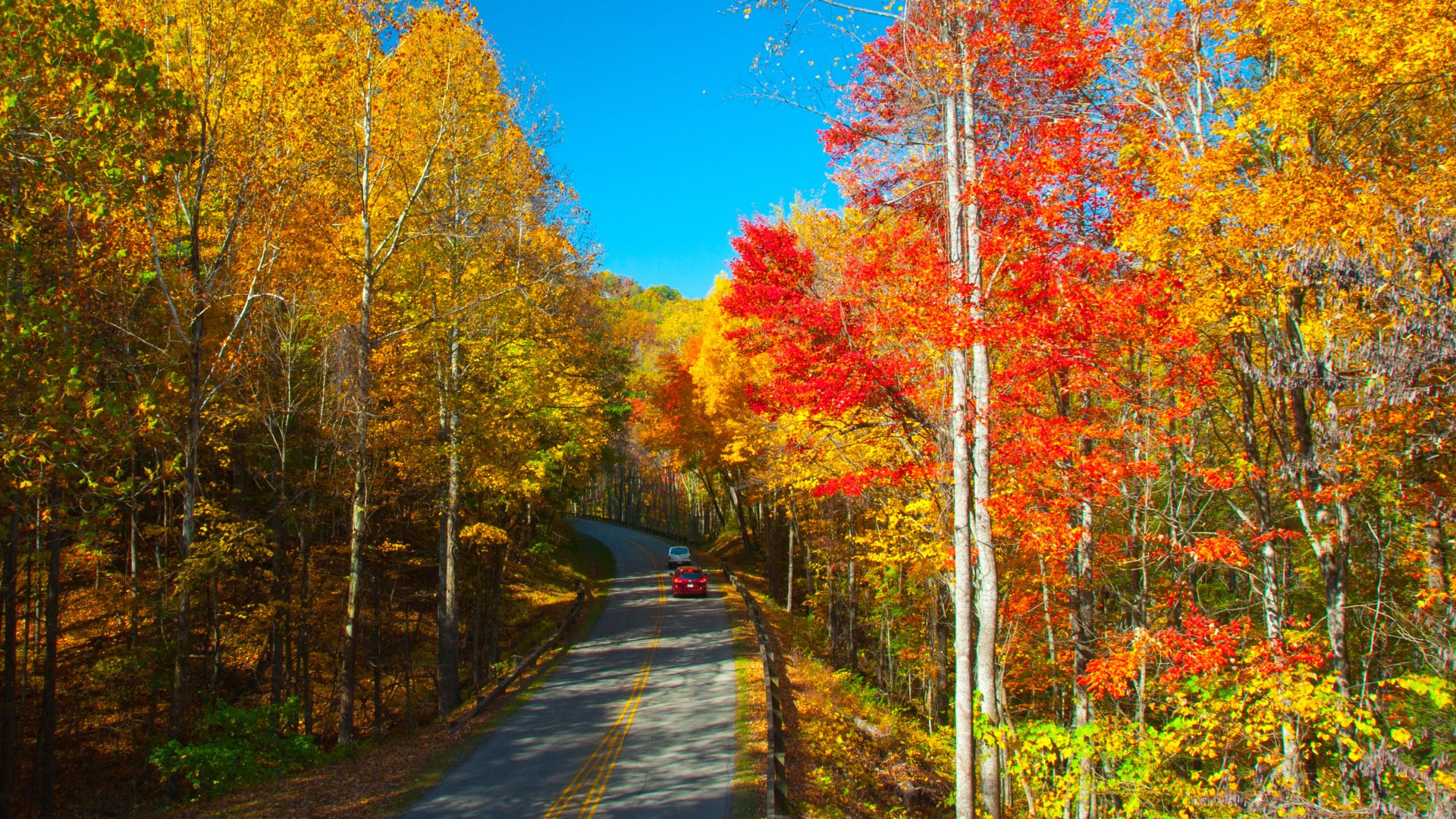
Fall rut (September–October) is the most dramatic season for elk viewing. Bulls bugle to assert dominance and court females — a sound that carries through the valley and announces the animals' location. The bulls also display aggressive sparring behavior. Fall foliage peaks in October across the Cataloochee and Oconaluftee areas, making this period the most visually striking time to visit. It is also the busiest. Arrive early — Cataloochee Valley's access road is narrow, parking is limited, and the valley fills by mid-morning on popular fall weekends.
Staying safe around elk
The 50-yard minimum viewing distance is a National Park Service rule, not a suggestion. During fall rut, bulls have charged vehicles and people who approached too closely. If an elk turns toward you, raises its head, or begins walking in your direction, move further away immediately. Elk look calm and accustomed to people — they are. That's different from being safe to approach. Keep dogs leashed and kept well away from elk; dogs trigger a prey-chase response in large ungulates, and an elk chasing a dog will not distinguish between the dog and the person holding the leash.
A Park It Forward parking tag ($5/day, $15/week, $40/annual) is required for any vehicle parked inside the national park for more than 15 minutes. Purchase tags at recreation.gov, at visitor centers, or at automated kiosks at park entrances.
Frequently asked questions
How far is Cataloochee Valley from Gatlinburg?
Cataloochee Valley is roughly an hour and 40 minutes to two hours from Gatlinburg, depending on the route and traffic through the mountain corridor. The most common route runs via I-40 east to exit 20 at Dellwood/Maggie Valley, then north on the access road into the valley. Plan for a full morning or afternoon excursion rather than a quick stop.
Can you see elk from your car?
Yes — elk frequently graze in open meadows visible from the road at both the Oconaluftee Visitor Center and within Cataloochee Valley. Many of the best sightings happen from pull-offs and the roadside. You do not need to hike to see elk, though the Oconaluftee River Trail provides additional walking access to meadow areas near Cherokee.
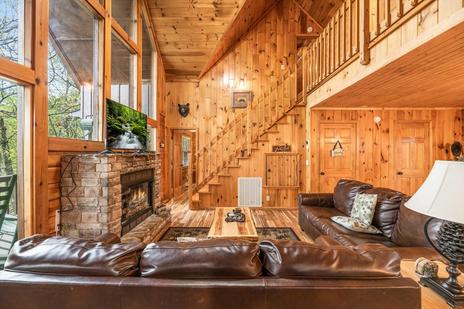
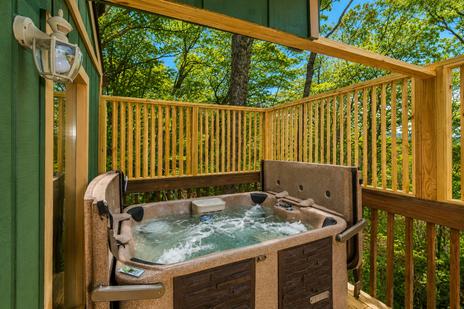
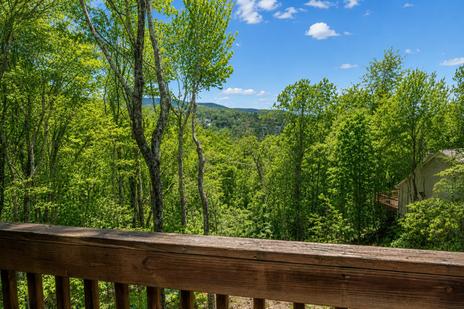
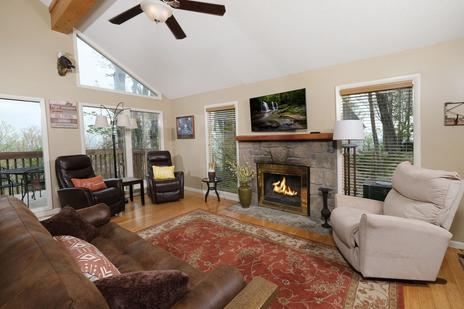
Smoky Mountain cabin rentals on the Tennessee side put you within a day-trip drive of both Cherokee and Cataloochee Valley — close enough for an early-morning elk run and back for dinner.