How to Avoid Traffic in Gatlinburg
Published Feb 12, 2023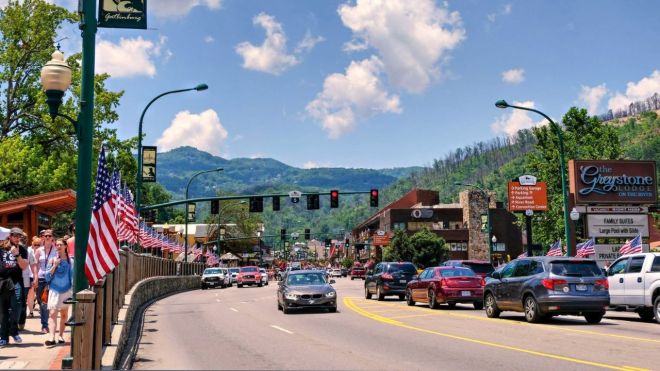
Gatlinburg traffic is real — the US-441 Parkway through town is a surface road with traffic lights, and it backs up badly on peak weekends. These seven strategies, used individually or in combination, make a significant difference.
Travel during off-peak hours
The Parkway through Gatlinburg sees its heaviest congestion between 10 AM and 6 PM, particularly on Friday afternoons (arrivals), Saturday midday (day-tripper peak), and Sunday late morning through early afternoon (checkout and arrival overlap). Arriving before 9 AM or planning your Parkway activity for after 6 PM puts you in a substantially different traffic environment. The town doesn't empty at night — restaurants and attractions stay busy — but the road itself moves much more freely after the dinner transition hour. If you're targeting a specific attraction, arriving at or before opening is always the most reliable strategy.
Use the Gatlinburg Trolley
The Gatlinburg Trolley operates multiple routes covering most of downtown Gatlinburg and is free year-round. The trolley eliminates the parking problem entirely — park once at the Gatlinburg Welcome Center or another peripheral lot and ride the trolley to wherever you want to go on the Parkway. For visitors staying in cabins on the edge of downtown, the trolley is often a faster option than driving and finding parking, especially on busy weekend afternoons. The Arts & Crafts Community route extends service to Glades Road and the craft community loop. Check current routes and schedules at gatlinburg.com before your visit.
Take the Gatlinburg Bypass
The Gatlinburg Bypass (US-321 North) is the most underused time-saver for visitors who need to get from one side of town to the other or to the national park entrance without crawling through the Parkway. The Bypass runs from the north end of the Parkway (near traffic light #1) around the eastern edge of downtown to reconnect with US-441 south of town near the park entrance. If your destination is the Sugarlands Visitor Center or a trailhead south of downtown, taking the Bypass instead of the Parkway can save 20 to 30 minutes on a busy afternoon. The route is well-signed and only takes a few extra miles.
Use alternate routes into Gatlinburg
Most visitors arrive via US-441 from Sevierville and Pigeon Forge — the most congested approach on peak days. Two alternate routes offer scenic drives and meaningfully lighter traffic:
Little River Road from Townsend: Enter the national park at Townsend on the western side and drive east on Little River Road through the park to the Sugarlands Visitor Center and Gatlinburg. The drive takes 45 to 60 minutes but runs through the park with consistent scenery and no traffic lights. If you're planning a Cades Cove or Metcalf Bottoms stop, this route makes the sequence natural. Note that Little River Road is a one-lane road in sections and speed limits are enforced.
US-321 from Cosby: Approach from the east via US-321 from the I-40/Newport corridor. This enters Gatlinburg from the north and avoids the Pigeon Forge Parkway entirely. It's particularly useful for visitors coming from Knoxville who don't want to travel through the Sevierville/Pigeon Forge corridor.
Park once and walk
Downtown Gatlinburg is highly walkable — the Parkway from traffic light #1 to traffic light #10 is less than a mile, and most restaurants, attractions, and shops are directly on the strip or a short walk off it. Parking at a dedicated lot once and walking the rest of the day is faster than moving the car between stops. The Gatlinburg Welcome Center near traffic light #1 has a large parking lot and trolley access. Several parking structures operate on side streets near the central Parkway. On peak weekends, plan to park by 9 AM if you want a close lot; arriving after 10 AM means the best lots will be full.
Plan your driving day strategically
The most controllable variable is your own schedule. If you're staying in a Gatlinburg cabin, sequence your day to minimize driving: hit the national park or a trailhead in the early morning when parking is available, be back in town for lunch before the midday crowd peaks, and use the trolley for the afternoon Parkway activity. Avoid making multiple round trips through the Parkway on the same day — each pass through downtown adds time on peak days. Spreading activities across multiple days rather than attempting everything in a single day also significantly reduces the traffic pressure you'll experience.
Stay overnight to sidestep day-tripper traffic
Gatlinburg's traffic peaks correlate with day-tripper arrival and departure windows. Overnight guests in cabins or hotels have a structural advantage: they can get up at 7 AM and be on a trailhead before the traffic builds, and they can be back at their cabin by 2 PM when day-trippers are arriving in volume. Staying multiple nights gives you more flexibility to sequence activities during lower-traffic windows and avoid the single-day rush that most traffic-generating visitors are doing. If you're already planning a cabin stay, this advantage is built in — you just have to use it.
Frequently asked questions
What is the worst traffic day in Gatlinburg?
Saturday during summer (June–August) and October (fall foliage) are consistently the heaviest traffic days. Holiday weekends — Memorial Day, Fourth of July, Labor Day, and Thanksgiving — are especially congested. October is arguably the single worst month for traffic volume: the combination of fall foliage, Gatlinburg Craftsmen's Fair, and Dollywood's Harvest Festival creates sustained peak conditions from late September through early November. If you're visiting in October, plan all driving for early morning and use the trolley for any afternoon Parkway activity.
Is the Gatlinburg Bypass free to use?
Yes — the Gatlinburg Bypass (US-321 North loop) is a public road with no toll or fee. It's simply a highway route that circumvents the downtown Parkway. The bypass is well-signed at the north and south ends of the Parkway and is accessible from both directions.
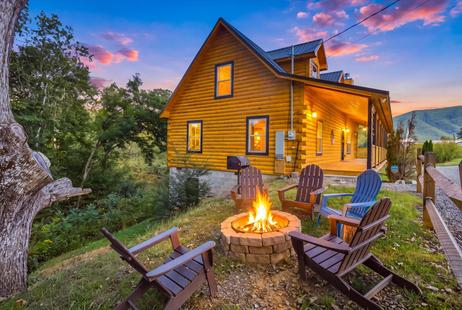
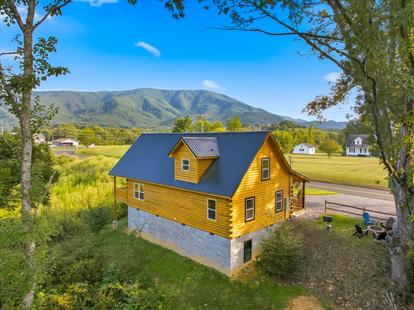
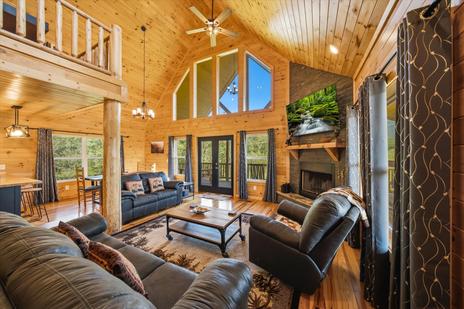
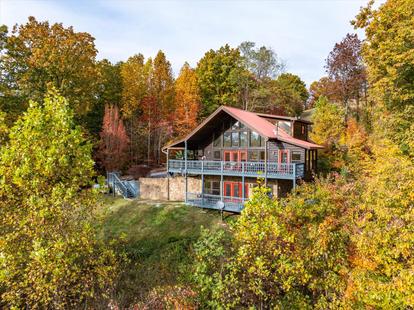
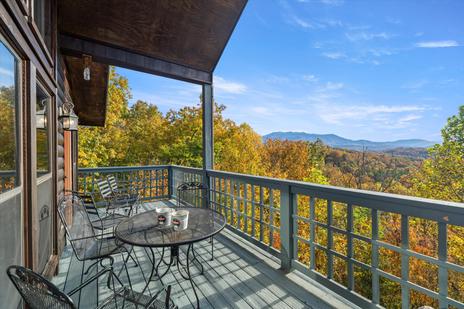
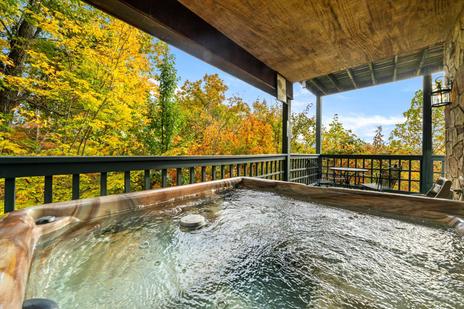
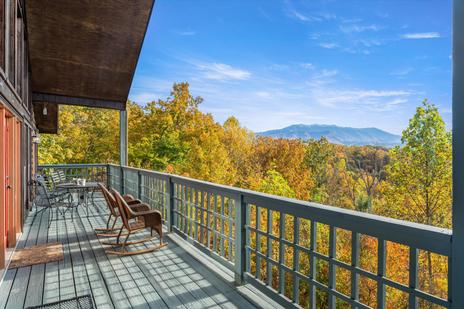
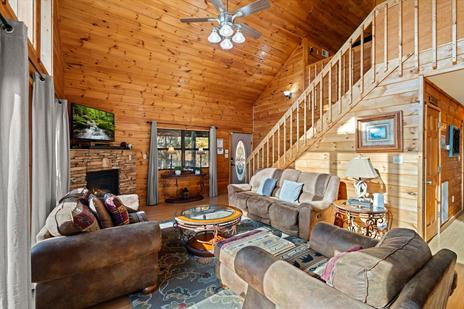
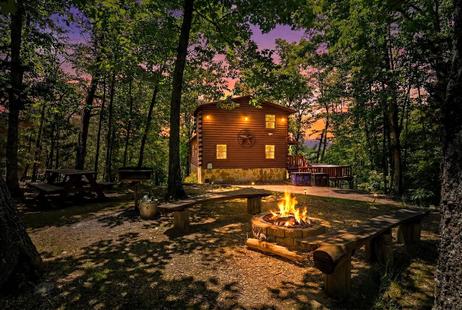
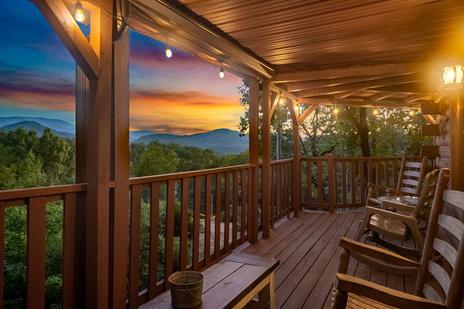
A Gatlinburg cabin rental puts you ahead of day-tripper traffic — wake up early, hit the park or trails, and be back before the crowds arrive.