Vacation Rental Component Life Expectancy
Published Sep 23, 2022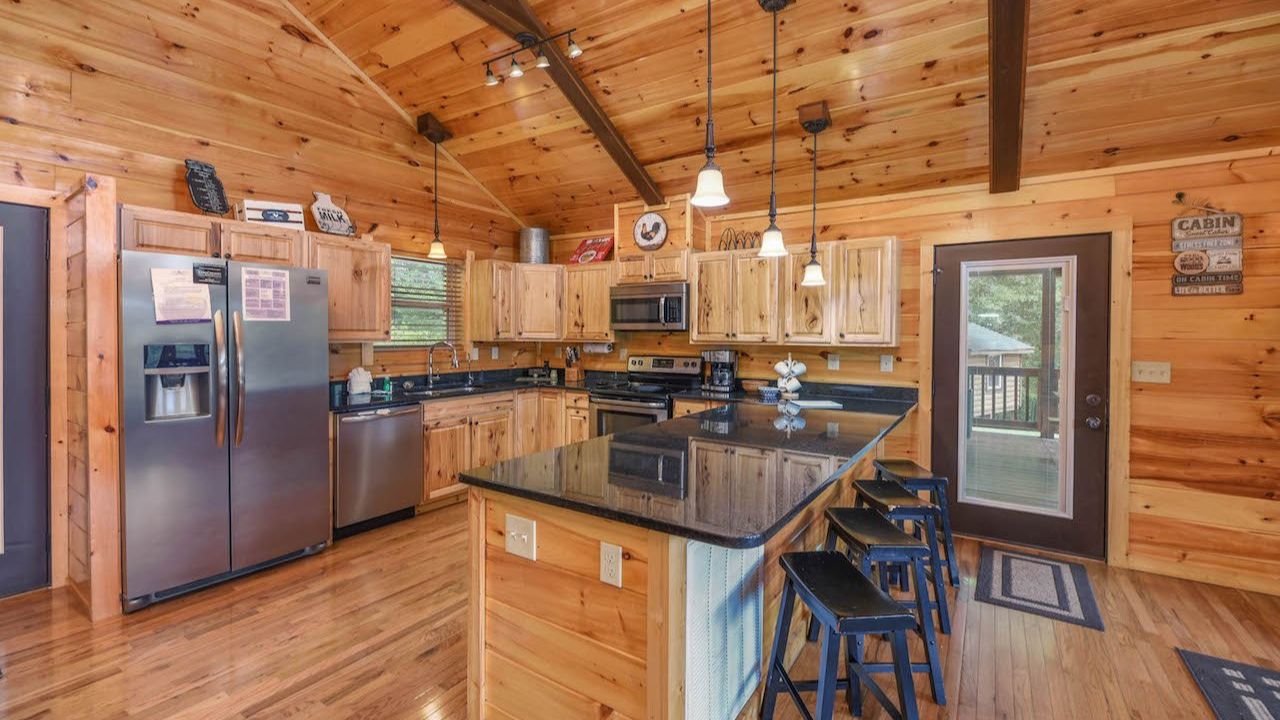
Every part of your cabin has a clock on it. The HVAC, the roof, the appliances, the mattresses — all of them wear out on a predictable timeline, and the owners who plan for that are never blindsided by a five-figure surprise. Understanding how long your cabin's major components last is one of the most useful (and most overlooked) parts of running a rental profitably. Here's a general guide to vacation rental component life expectancy, and how to budget for it.
One note up front: these are general industry ranges, not guarantees. Actual lifespan varies with usage (and a rental gets heavier use than a home), maintenance, climate, and build quality. Use them to plan and budget, and lean on regular maintenance to reach — or beat — the top of each range.
How long the major components last
Appliances
Major: ~10–15 years · Small: ~5–10 years
Major kitchen appliances — refrigerator, dishwasher, stove/oven — average roughly 10–15 years, though heavy rental use often pushes toward the lower end. Smaller appliances (microwave, toaster, coffee maker) run about 5–10 years and are cheap enough to replace proactively before they fail on a guest.
HVAC systems
~15–20 years with maintenance
A well-maintained heating and cooling system typically lasts 15–20 years, though the furnace and AC unit can wear at different rates and one may need replacing before the other. Given that an HVAC failure mid-season is one of the costliest problems a cabin can have, this is the component to watch most closely and service every year — see appliance maintenance that prevents mid-stay issues.
Roofing
~20–50 years, by material
Roof lifespan depends heavily on material: asphalt shingle roofs last roughly 20–25 years, cedar shake around 20–40 years, and metal roofs 30–50 years. It's a big-ticket, long-horizon replacement — worth knowing your roof's material and age so it doesn't catch you off guard.
Furnishings and décor
~5–10 years (often sooner in a rental)
Furniture, mattresses, linens, and décor take the hardest, most constant use in a rental and turn over fastest — quality pieces last 5–10 years or more with care, but expect to refresh soft goods (mattresses, couches, linens) on the shorter end to keep the cabin looking and feeling fresh for reviews. This is where quality, durable choices pay off; see our decorating guide.
Structural elements
Decades, with upkeep
Foundations, framing, walls, and plumbing systems have long life expectancies but still need periodic maintenance and repair to last. These are rarely a scheduled replacement, but deferred maintenance here is what turns a manageable fix into a major one.
Other components to track
Also keep an eye on the water heater (roughly 8–12 years), the hot tub and its heater/pump/cover (a heavily-used amenity with shorter-lived parts), decks and outdoor furniture (weather-exposed, so shorter lifespans), and flooring and paint (cosmetic refreshes on a rental cadence). Each has its own clock.
Why this matters: build a replacement reserve
Knowing these timelines turns big expenses from emergencies into line items. The practical move is a replacement (capital) reserve — setting aside a percentage of your rental revenue each year specifically for the components that will eventually need replacing. When you know the roof has ~5 years left and the HVAC is 14 years old, you can save toward those costs deliberately instead of scrambling when they fail. It's the difference between a planned expense and a crisis, and it belongs in your overall operating-expense budgeting.
A few principles:
- Know the age of your major components — especially the roof, HVAC, and water heater — so you can anticipate the big replacements.
- Maintain to reach the top of each range. Regular servicing (HVAC, roof inspections, appliance care) genuinely extends lifespans and defers cost.
- Replace proactively where it protects guests. A 12-year-old water heater or a struggling fridge is cheaper to replace on your schedule than after it fails mid-stay and costs you a bad review.
- Budget a reserve every year, so the money is there when the clock runs out.
Where management helps
Tracking the age and condition of every component, maintaining them to maximize lifespan, and planning replacements before they become emergencies is ongoing, detail-heavy work — exactly what a professional management company does as part of caring for your investment. A good manager keeps up the preventive maintenance that extends component life, spots wear before it becomes failure, coordinates cost-effective replacements through established vendors, and helps you plan for the big-ticket items so they never blindside you. It's the long-view side of protecting both your guest experience and your bottom line. To see what proactive, professional management could do for your cabin, see what your cabin could earn.
Frequently asked questions
How long do vacation rental appliances last?
As a general guide, major kitchen appliances (refrigerator, dishwasher, stove) average about 10–15 years, and smaller appliances (microwave, toaster, coffee maker) about 5–10 years. Heavy rental use often pushes toward the lower end, so many owners replace proactively before a failure inconveniences a guest. Regular care extends the life of all of them.
How long does an HVAC system last in a rental cabin?
Typically 15–20 years with proper maintenance, though the furnace and AC unit can wear at different rates. Because an HVAC failure mid-season is one of the most costly and disruptive problems a cabin can have, it's the component to service annually and monitor most closely as it ages.
How often should I replace furnishings in a vacation rental?
Furnishings, mattresses, linens, and décor take the heaviest use and turn over fastest — quality pieces last 5–10 years or more with care, but soft goods like mattresses, couches, and linens often need refreshing sooner to keep the cabin looking fresh and reviews strong. Buying durable, quality pieces upfront extends the cycle.
What is a replacement reserve, and do I need one?
A replacement (capital) reserve is money you set aside each year from rental revenue specifically for components that will eventually need replacing — roof, HVAC, appliances, furnishings. It turns predictable big expenses into planned line items rather than emergencies. Given that every component has a finite lifespan, a reserve is one of the smartest budgeting habits an owner can build.
Can maintenance extend how long components last?
Yes, significantly. Regular servicing — annual HVAC maintenance, roof inspections, appliance care, hot tub upkeep — genuinely extends component lifespans toward (or beyond) the top of their typical ranges and defers replacement costs. Deferred maintenance does the opposite, shortening life and turning manageable fixes into major ones.
Every part of your cabin has a lifespan — planning for it is what keeps ownership profitable and surprise-free. Colonial Properties maintains your cabin to maximize component life and plans replacements before they become emergencies. See what proactive management could earn you.