Should You Allow Pets in Your Vacation Rental?
Published Sep 6, 2022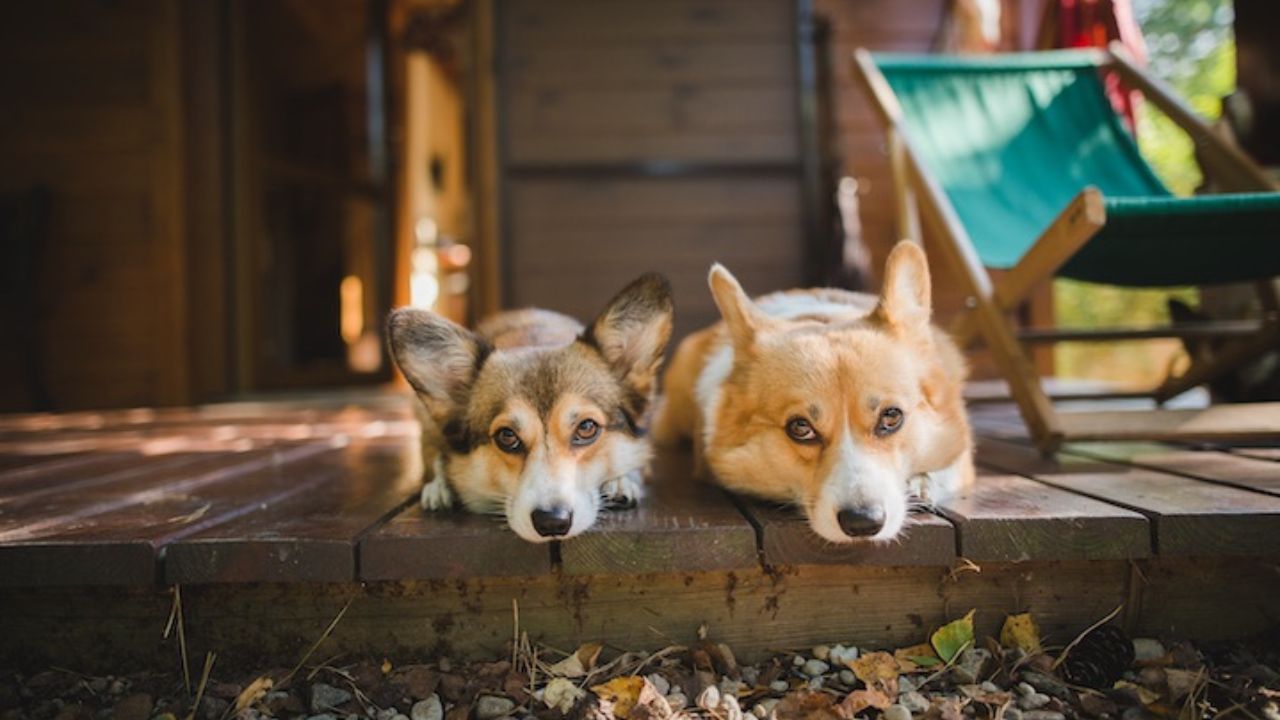
Whether to allow pets is one of the more consequential policy decisions a cabin owner makes — it opens a large, loyal market and can lift both bookings and rates, but it carries real trade-offs in wear, cleaning, and liability. There's no single right answer; the best choice depends on your cabin and how you'd manage it. Here's an honest look at the pros and cons of allowing pets in your Smoky Mountain rental, and how to do it well if you say yes.
The case for allowing pets
A bigger pool of guests
Pet owners often struggle to find accommodations that welcome their animals, so a pet-friendly cabin opens your property to a large, underserved, and motivated segment of travelers — many of whom filter their search specifically for it.
More bookings and higher rates
Pet-friendly properties are in strong demand in a destination like the Smokies, where people love to bring their dogs on mountain getaways. That demand can mean more bookings, and pet-friendly cabins often command a modest rate premium or a pet fee, adding to your income.
Loyalty and repeat business
Guests who travel with pets deeply value a place that welcomes them, and they tend to return to and recommend cabins where they had a good, hassle-free experience. Pet-friendly can build a loyal repeat base.
The case against — the real trade-offs
Potential for damage and extra wear
Pets can scratch floors and furniture, chew fixtures, and have accidents on carpets and rugs — leading to added maintenance, repair, and cleaning costs. This is the biggest and most cited downside.
Allergies and deeper cleaning
Pet dander lingers, which can affect future guests with allergies, and turning over a pet-stay cabin to a truly clean, dander-free state takes more thorough (and more expensive) cleaning between guests.
Noise and neighbor disruption
Dogs in particular can bark and create disturbances, which can generate complaints from neighbors or nearby cabins — a real consideration in residential or closely-spaced areas.
Insurance and liability
Allowing pets can affect your insurance coverage and introduces liability considerations (a guest's dog biting someone, for example). Review your policy and understand the implications before deciding — see our guide to short-term rental insurance coverage. This is worth confirming with your insurer, not assuming.
If you say yes: how to do it well
Most of the downsides are manageable with the right setup. Owners who do pet-friendly successfully tend to:
- Charge a pet fee. A per-stay pet fee offsets the extra cleaning and wear, and filters for guests who take the policy seriously. It turns the added cost into added revenue.
- Set a clear written pet policy. Spell out size/number limits, where pets are and aren't allowed (e.g., off the furniture), cleanup expectations, and never leaving pets unattended. Clear rules prevent most problems.
- Choose durable, cleanable materials. Hard flooring over carpet, performance fabrics, and washable rugs make a pet-friendly cabin far easier to maintain and turn over.
- Budget for deeper turnovers. Build the extra cleaning into your operations so dander and pet evidence don't reach the next guest.
- Add thoughtful pet touches. Bowls, a few treats, and a designated outdoor spot make the cabin genuinely welcoming and drive the loyalty and reviews that make pet-friendly pay off. (It pairs well with pointing guests to the area's pet-friendly restaurants and dog-friendly trails.)
So — should you?
It comes down to your cabin and your appetite for the trade-off. A durable, well-set-up cabin in a spot where noise isn't an issue is often a strong candidate — the demand is real and underserved, and with a pet fee and good systems the economics usually favor it. A cabin with delicate finishes, close neighbors, or an owner unwilling to manage the extra cleaning may do better pet-free. Either way, the decision is easier — and the downsides smaller — when the operational side (screening, cleaning, clear policies, the right materials) is handled well. That's exactly where a professional management company helps: setting the pet fee and policy, ensuring the deeper turnovers actually happen, and capturing the pet-friendly demand while protecting your cabin. If you're weighing whether pet-friendly is right for your property, see what your cabin could earn under professional management.
Frequently asked questions
Should I allow pets in my vacation rental?
It depends on your cabin. Allowing pets opens a large, loyal, underserved market and can lift bookings and rates, but it brings added wear, deeper cleaning, potential noise, and insurance considerations. A durable cabin without close neighbors, run with a pet fee and clear policy, is often a strong candidate; a cabin with delicate finishes or nearby neighbors may do better pet-free.
Do pet-friendly cabins make more money?
Often, yes — pet-friendly properties are in high demand in the Smokies and can attract more bookings, command a rate premium or pet fee, and earn loyal repeat guests. The added revenue has to be weighed against extra cleaning and maintenance costs, but with a pet fee and durable setup, the economics frequently favor allowing pets.
What are the downsides of allowing pets?
The main ones are potential property damage and extra wear, deeper (costlier) cleaning to remove dander for allergy-sensitive future guests, possible noise and neighbor complaints, and insurance/liability implications. Most are manageable with a pet fee, a clear written policy, durable materials, and thorough turnovers.
How do I protect my cabin if I allow pets?
Charge a per-stay pet fee, set a clear written pet policy (size/number limits, furniture rules, cleanup expectations, no unattended pets), choose durable and cleanable materials (hard flooring, performance fabrics), budget for deeper turnovers, and confirm your insurance covers pet-related liability. These steps make most of the downsides manageable.
Does allowing pets affect my insurance?
It can — pet-related incidents (like a bite) carry liability, and some policies treat pet-friendly rentals differently. Review your short-term rental insurance policy and confirm coverage with your insurer before adopting a pet-friendly policy, rather than assuming you're covered.
Pet-friendly can be a real revenue advantage — when it's set up and managed right. Colonial Properties helps owners weigh the decision and, if you say yes, capture the demand while protecting the cabin with the right fees, policies, and cleaning. See what your cabin could earn.