Preparing Your Cabin for Snowbird and Off-Season Renters
Published Oct 20, 2026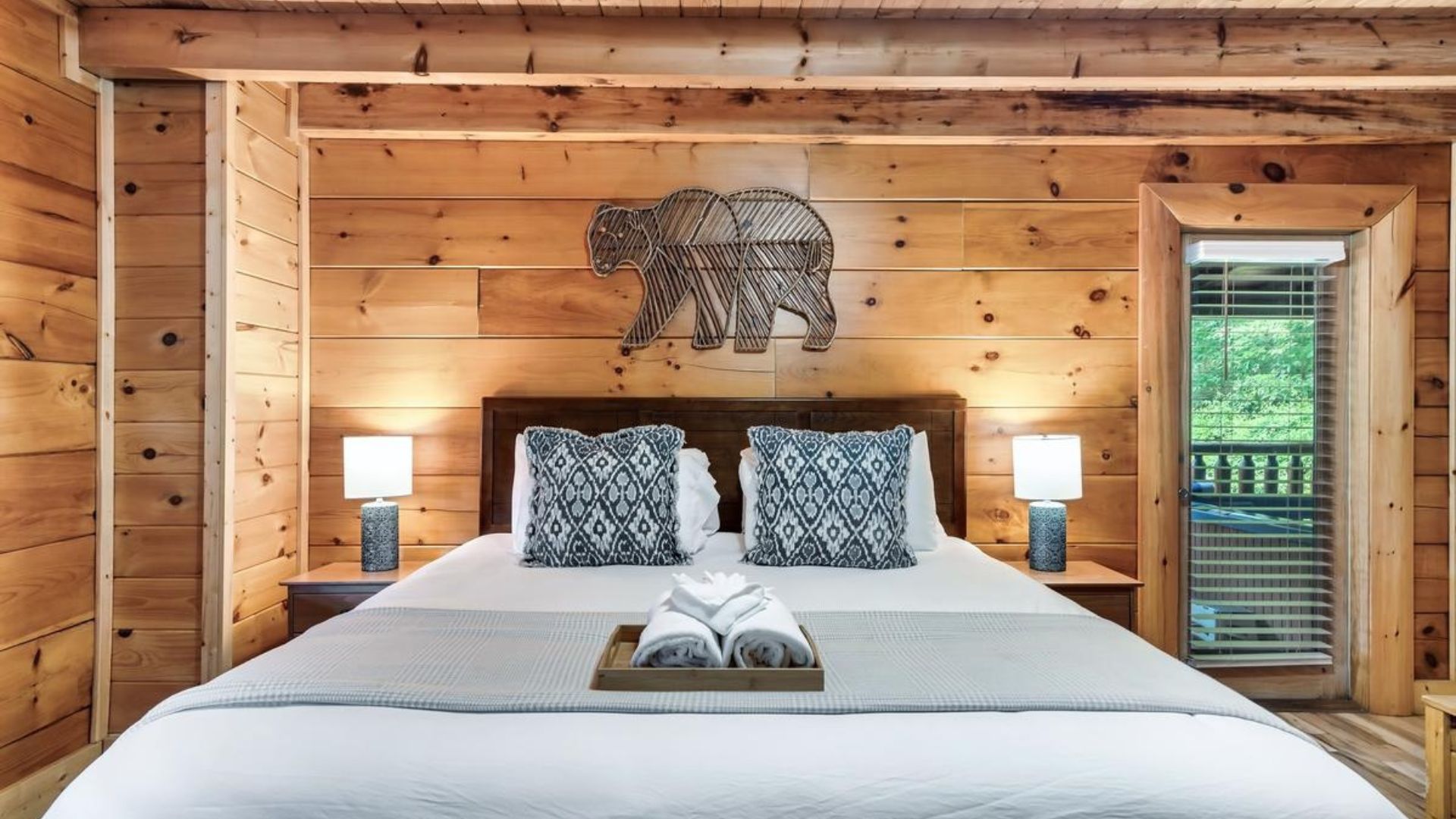
Every cabin owner knows the pain of the slow season — those mid-week and mid-winter stretches when the calendar goes quiet and the cabin sits empty. One of the smartest ways to fill that gap is to court a different kind of guest entirely: snowbirds escaping northern winters, remote workers, traveling professionals, and others looking for a longer, slower stay. But these guests want different things than a family in for a three-night summer blitz. Here's how to prepare your cabin to win — and keep — off-season, long-stay renters.
Why off-season long-stay renters are worth it
Before the how, a quick word on the why. Longer off-season bookings turn dead inventory into real income, and they come with some quiet advantages: fewer turnovers (less cleaning, less wear-and-tear, lower turnover cost per night), more predictable occupancy, and often a more settled, respectful guest who's there to live quietly rather than party. A month-long winter booking at a softer nightly rate can easily out-earn a cabin that sits empty — and it does it with less work. The catch is that these guests are comparing your cabin to a comfortable temporary home, not a weekend novelty, so it has to be ready for actual living.
What the long-stay guest actually needs
A guest staying three nights overlooks a lot. A guest staying three weeks notices everything. Preparing for them means thinking about day-to-day living, not just a quick getaway.
A genuinely functional kitchen
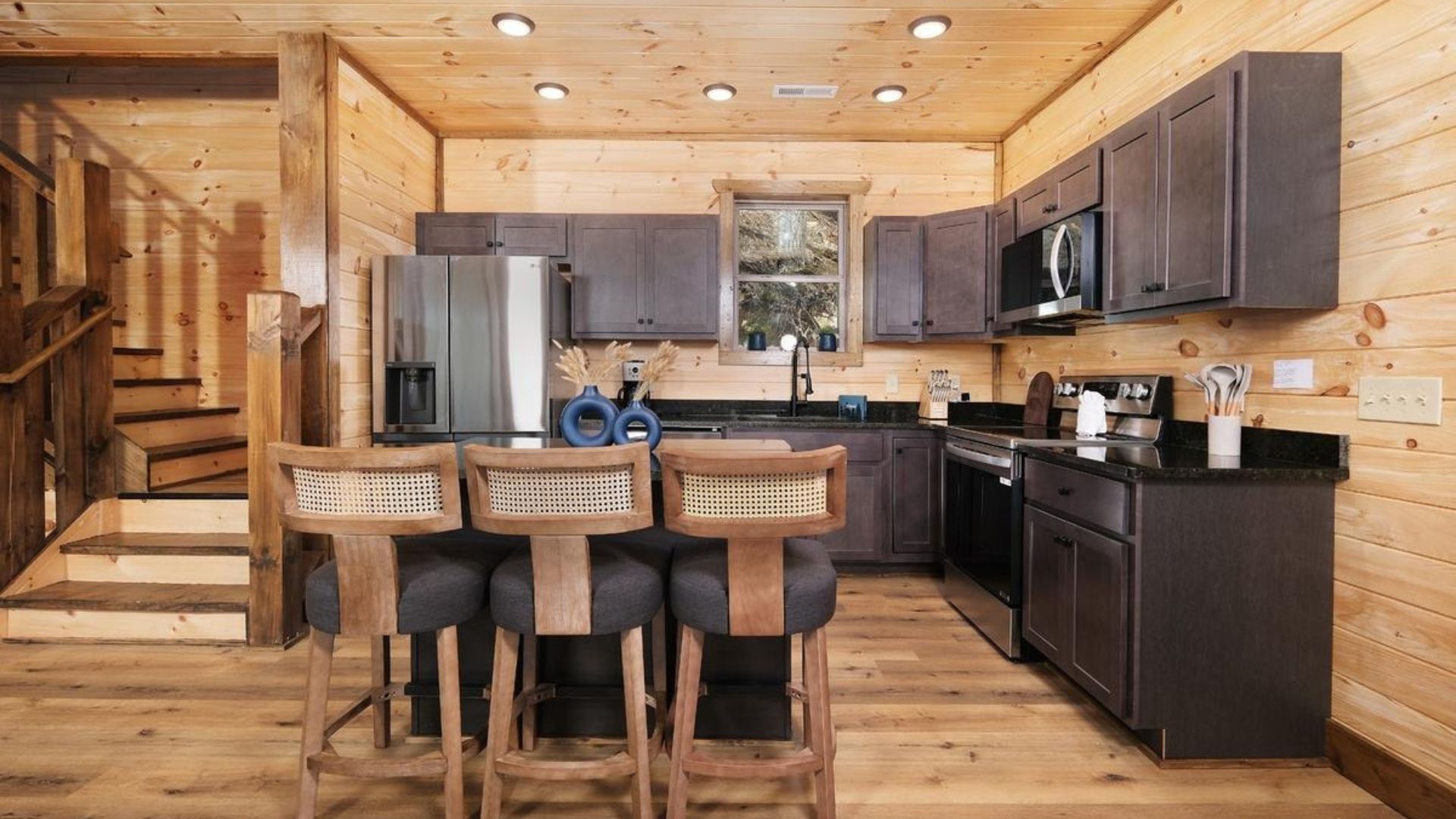
Weekend guests eat out; long-stay guests cook. A well-equipped kitchen — sharp knives, real cookware, enough dishes and storage, basic pantry staples — moves from "nice to have" to essential. If your kitchen is stocked for reheating pizza, it needs an upgrade for someone making dinner most nights.
In-unit laundry
For a stay of a week or more, a washer and dryer in the cabin is close to a dealbreaker — nobody wants to haul weeks of laundry to a laundromat on vacation. If your cabin has laundry, make sure it's in good working order and the guest knows how to use it; it's a major selling point for this crowd.
Reliable, fast WiFi and a place to work
Many off-season long-stayers are remote workers or snowbirds staying connected to family and business. Strong, reliable internet is non-negotiable for them, and a comfortable spot to set up a laptop — a desk or a good table with a real chair and nearby outlets — turns your cabin into a place someone can actually live and work. This single factor wins a lot of extended bookings.
Warmth and winter comfort
Off-season often means cold season. Dependable heating, a cozy fireplace, warm bedding and extra blankets, and a hot tub for the evenings make the difference between a guest who endures the winter and one who savors it. Comfort is the whole product for a long winter stay. (Make sure the heating system and fireplace are serviced and ready — our guide to getting your cabin ready for winter covers the physical winter prep in detail.)
The small comforts of living somewhere
These are what seal it: enough storage and closet space to unpack properly, comfortable seating for downtime, good lighting, extra toiletries and paper goods so guests aren't running out mid-stay, and a few homey touches that make the cabin feel livable rather than transient. Think about what you'd want if you were settling in for a month.
Prep the cabin itself for a longer run
A longer booking also means the cabin needs to perform without the reset a frequent turnover provides. Before a long stay, it's worth getting ahead of the things that would normally get caught between guests:
- Handle deferred maintenance up front. Fix the small nagging issues before a guest lives with them for weeks — a slow drain, a flickering light, a sticky door. What's a minor annoyance over a weekend becomes a real complaint over a month.
- Make sure the big systems are solid. Heating, hot water, appliances, and the hot tub all get heavier continuous use during a long stay. Service them beforehand so nothing fails mid-booking.
- Plan for mid-stay support. Longer stays usually include a mid-stay cleaning or linen refresh and a clear way for the guest to reach someone if something breaks. Decide how that's handled before the guest arrives.
- Set clear expectations and policies. Longer bookings can carry different considerations than a short stay — confirm your rules, payment terms, and any longer-stay policies are spelled out clearly up front.
Pricing and attracting these guests
The economics only work if the price fits the guest. Off-season long-stayers are value-driven and expect a meaningful discount for committing to a longer block — a lower effective nightly rate in exchange for filling weeks you'd otherwise lose. Weekly and monthly rates, flexible minimum stays in the slow season, and listings that specifically speak to snowbirds and remote workers all help attract this market. For the broader playbook on filling the slow season, see our guides to handling seasonal demand and boosting occupancy.
Where management makes the difference
Capturing the off-season market well is a real operational lift — pricing the longer blocks correctly, marketing to the right guests, prepping and maintaining the cabin for extended use, and handling the mid-stay touchpoints a long booking needs. It's a lot to juggle on your own, and it's exactly the kind of thing professional management is built to handle: filling your slow season with quality long-stay guests while keeping the cabin in great shape, so those quiet months on the calendar start earning instead of sitting empty.
The bottom line
Snowbirds and off-season long-stay renters are one of the best ways to turn a cabin's quiet season into real income — but only if the cabin is ready to be lived in, not just visited. Get the kitchen, laundry, WiFi, warmth, and everyday comforts right, prep the cabin to run without frequent turnovers, price the longer stays fairly, and you open up a whole market most owners leave on the table. The empty calendar isn't a given; it's an opportunity waiting for the right guest.
Frequently asked questions
What is a snowbird renter?
Snowbirds are typically people — often retirees — who leave colder northern climates for milder areas during the winter, staying for extended periods of weeks or months. For cabin owners, they (along with remote workers and traveling professionals) represent a valuable long-stay market that can fill the slow off-season when short-term bookings dry up.
What do long-stay renters want that weekend guests don't?
Everything that makes a place livable rather than just visitable: a genuinely functional kitchen for cooking, in-unit laundry, reliable fast WiFi and a spot to work, dependable heating and winter comfort, enough storage to unpack, and the small everyday conveniences. A three-night guest overlooks shortcomings a three-week guest lives with daily.
Is it worth renting to off-season guests at a discount?
Usually, yes. A longer off-season booking at a softer nightly rate turns empty inventory into income, with fewer turnovers, less wear, and more predictable occupancy. A month-long winter stay at a reduced rate often out-earns a cabin that would otherwise sit empty, and with less work per night.
How should I prepare my cabin for a long stay?
Handle deferred maintenance before the guest arrives, make sure heating, hot water, appliances, and the hot tub are serviced for continuous use, equip the kitchen and laundry for real living, ensure strong WiFi and a workspace, and plan for mid-stay cleaning and support. Set clear longer-stay policies and payment terms up front.
How do I attract snowbird and remote-worker guests?
Offer weekly and monthly rates with meaningful discounts for longer blocks, be flexible on minimum stays in the slow season, and make sure your listing speaks directly to what these guests need — reliable WiFi, a workspace, a full kitchen, laundry, and winter comfort. Good marketing to the right audience is half the battle.
Your slow season doesn't have to be your empty season. Colonial Properties helps owners fill off-season weeks with quality long-stay guests — handling the pricing, marketing, and cabin prep that make it work. See what your cabin could earn year-round, not just in peak season.