Is a Sauna a Smart Addition to Your Cabin Rental?
Published Sep 21, 2026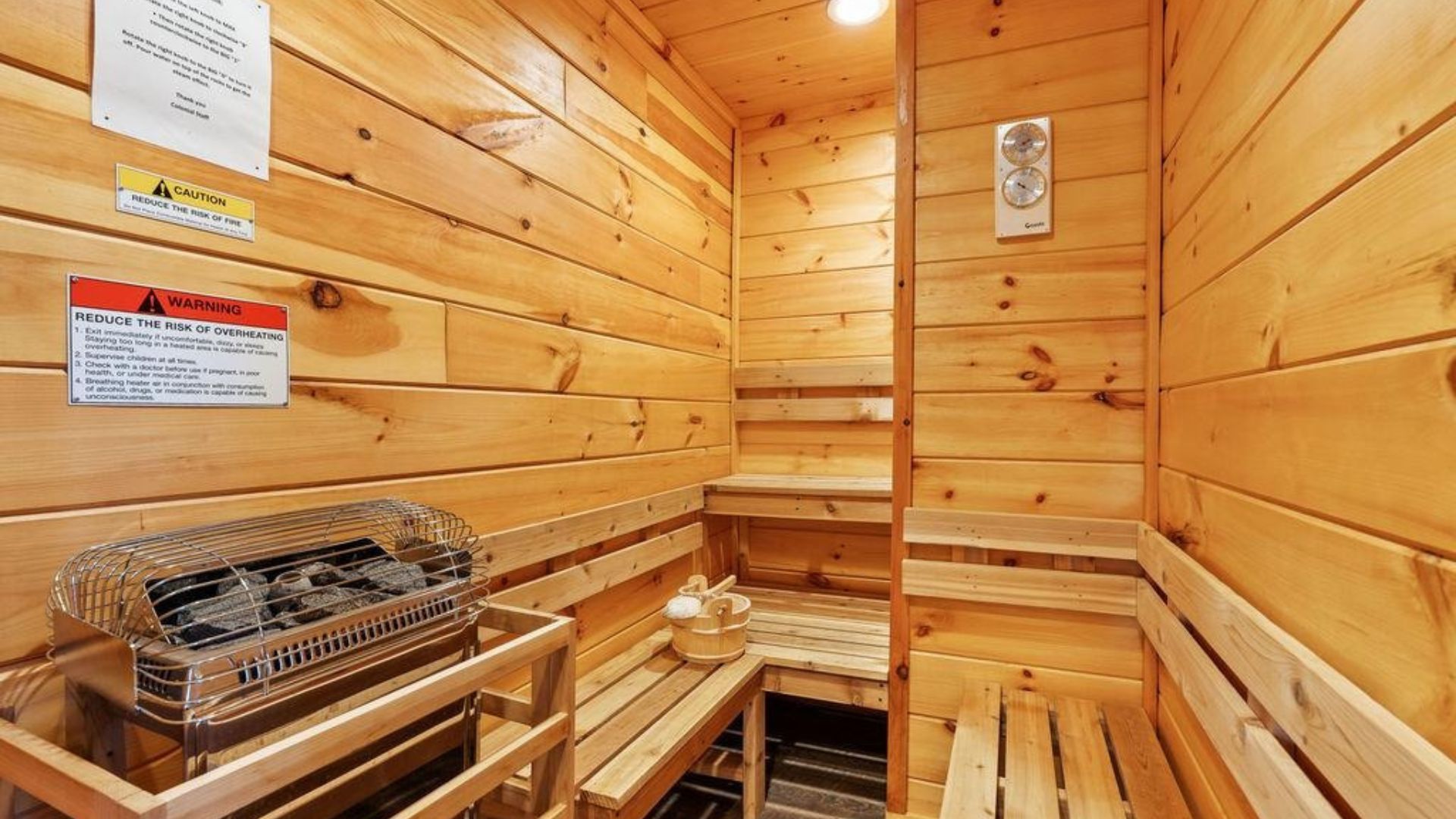
Saunas are having a moment. Wellness travel is booming, cold-plunge-and-sauna culture is everywhere, and a growing number of cabin owners are wondering whether adding one could set their property apart and command higher rates. It's a legitimate question — a sauna can be a genuine differentiator in the right cabin. But it's also a real investment with real trade-offs, and in a market where the hot tub is king, a sauna is a luxury-tier add rather than a must-have. Here's an honest look at whether it's a smart addition to your cabin rental.
The case for a sauna
It's a genuine differentiator
The strongest argument for a sauna is scarcity. Hot tubs are nearly universal in Smoky Mountain cabins — guests expect one. Saunas are still relatively rare, so a cabin with one stands out in search results and listing photos, appeals to the fast-growing wellness-travel market, and gives you a distinctive feature to market that the cabin down the road doesn't have. In a crowded market, a real point of differentiation is valuable.
It supports premium positioning
A sauna signals a higher-end, wellness-oriented property, which can help justify a premium nightly rate and attract guests specifically seeking that experience — couples on a romantic or restorative getaway, wellness travelers, and guests who'd choose a spa-like cabin over a standard one. Paired with a hot tub, it rounds out a genuine at-home-spa appeal.
It's a year-round, all-weather amenity
Unlike a pool, a sauna is appealing in every season — arguably most appealing in the cooler months, which aligns well with the Smokies' strong fall and winter demand. It's an indoor, weatherproof feature that adds value on a rainy or cold day when outdoor amenities go unused.
The honest downsides
A good decision weighs the real costs, and a sauna has several:
- Upfront cost and installation. Saunas range widely — a plug-in infrared cabin is relatively modest, while a traditional built-in dry sauna with dedicated electrical (and sometimes plumbing/ventilation) work is a significant investment. Factor in professional installation, electrical upgrades, and the space it consumes in the cabin.
- Liability and guest safety. This is the big one, covered in detail below. A hot, enclosed space used by unsupervised guests carries genuine risk that a hot tub or game room doesn't.
- Maintenance and energy. Saunas need cleaning, upkeep, and electricity, and heating elements eventually need service or replacement. It's another system to maintain in a property you may not live near.
- Space. A sauna takes real square footage. In a smaller cabin, the space might deliver more return as an extra sleeping area or a game room than as a sauna.
- It's not what most guests are searching for. Guests filter for hot tubs, pools, game rooms, and pet-friendliness far more than saunas. A sauna adds appeal, but it won't drive bookings the way those core amenities do — which is why it's an enhancement, not a foundation.
The safety and liability reality
None of this makes a sauna a bad idea — hot tubs carry liability too, and owners manage it every day. But a sauna deserves deliberate risk planning, clear guest guidance, and an insurance conversation up front, exactly the kind of operational diligence that a professional management company handles as a matter of course.
Hot tub first, sauna second
Here's the honest priority order for a Smoky Mountain cabin. If your cabin doesn't already have a hot tub, that's the investment to make first — it's the single most in-demand amenity in this market, and guests actively filter for it. A sauna is the next-level add for a cabin that already has the fundamentals (hot tub, and ideally a game room and strong overall appeal) and is positioning for the premium, wellness-oriented tier. Think of a sauna as part of building a genuine spa experience on top of a strong cabin — not as a substitute for the amenities guests expect first. Our guide to features that wow guests covers where a sauna fits in the broader amenity picture.
Which type of sauna?
If you decide a sauna makes sense, the type matters for cost, installation, and guest appeal:
- Infrared saunas — lower heat, lower cost, simpler installation (often plug-in), and more energy-efficient. A good entry point, and appealing to guests who find traditional saunas too intense. The easiest to add to an existing cabin.
- Traditional dry (Finnish) saunas — higher heat, the "authentic" experience many guests want, but a bigger installation with dedicated electrical and higher cost. The stronger differentiator, at a higher investment.
- Outdoor barrel or cabin saunas — a distinctive, photogenic option that pairs beautifully with a mountain setting and doesn't consume interior square footage. Popular in the current wellness-cabin trend, and a strong listing-photo asset, though they require outdoor space and weatherproofing.
Marketing tip: Whatever type you choose, a sauna only pays off if guests know it's there. It needs to be featured prominently in your listing title, description, and photos, and ideally distributed across the channels where it'll attract the wellness-minded guests who value it — which ties directly to your manager's marketing reach.
So, is it a smart addition?
Not sure whether a sauna — or any amenity upgrade — would actually pay off for your specific cabin? That's exactly the kind of question a local management company can answer with real market data on what's driving premium bookings in your area right now. See what your cabin could earn with the right amenities and positioning.
Frequently asked questions
Does a sauna increase a cabin rental's bookings or rates?
It can, primarily as a differentiator. Saunas are still relatively rare in Smoky Mountain cabins, so one helps a listing stand out, appeals to the growing wellness-travel market, and supports premium positioning and higher rates. But guests search far more for hot tubs, pools, and game rooms, so a sauna enhances a strong cabin rather than driving bookings on its own.
Should I add a sauna or a hot tub first?
Hot tub first, without question. The hot tub is the single most in-demand amenity in the Smoky Mountain market, and guests actively filter for it. A sauna is the next-level addition for a cabin that already has a hot tub and strong fundamentals and is positioning for the premium, wellness-oriented tier.
What kind of sauna is best for a rental cabin?
It depends on budget and goals. Infrared saunas are lower-cost, easier to install, and energy-efficient — a good entry point. Traditional dry (Finnish) saunas deliver the authentic high-heat experience many guests want but cost more to install. Outdoor barrel saunas are photogenic, pair well with a mountain setting, and don't consume interior space. Choose based on your investment level and how much you want it to differentiate the cabin.
Are there liability concerns with a sauna in a rental?
Yes — more than most amenities. High heat used by unsupervised guests carries real risk of overheating, dehydration, or medical incidents. Before adding a sauna, confirm your short-term rental insurance covers it (and consider higher liability limits), post clear safety and time/temperature rules, ensure code-compliant installation and ventilation, and check local permit requirements. Discuss it specifically with your insurance agent before installing.
Is a sauna worth it for a smaller cabin?
Often not. In a smaller cabin, the square footage a sauna consumes may deliver more return as an additional sleeping area, a game space, or another guest-valued feature. Saunas make the most sense in larger, higher-tier cabins with room to spare that are positioning for the premium wellness market. An outdoor sauna can be a workaround since it doesn't use interior space.
Thinking about a sauna, a hot tub, or another upgrade? Before you invest, find out what actually drives premium bookings for a cabin like yours. Colonial Properties has the local market data to help you spend where it pays off.