What the Smokies Are Actually Like in Late January
Published Oct 20, 2026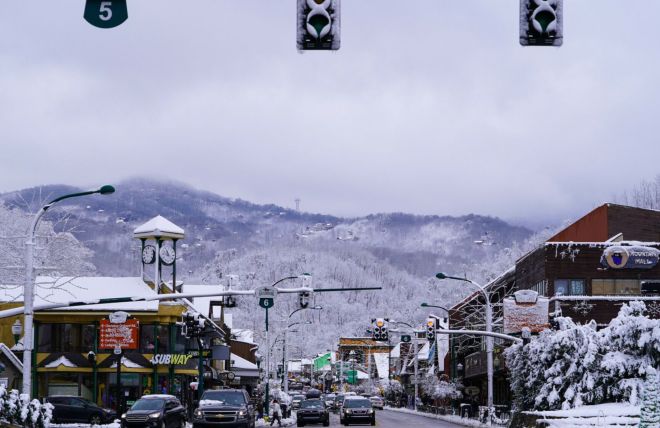
Late January is the Smokies' quietest hour. The holiday crowds are long gone, the summer rush is months away, and the mountains settle into a still, cold, bare-boned beauty that most visitors never see. It's not for everyone — but for the right traveler, late January is one of the best-kept secrets in the Smokies. Here's an honest look at what it's actually like, so you know exactly what you're getting.
The weather: cold, often gray, sometimes magic
Let's be straight about this first, because it shapes everything. Late January in Gatlinburg and Pigeon Forge means daytime highs usually in the mid-40s and overnight lows down around freezing, with plenty of overcast, damp days mixed in. It can feel raw. Up at higher elevations in the national park, it's colder still, and snow is more common and heavier.
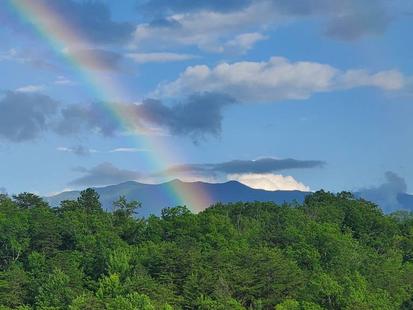
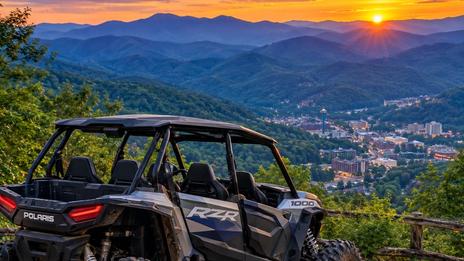
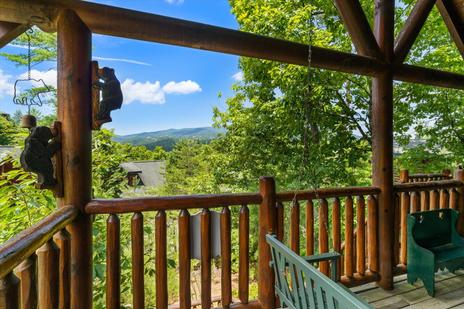
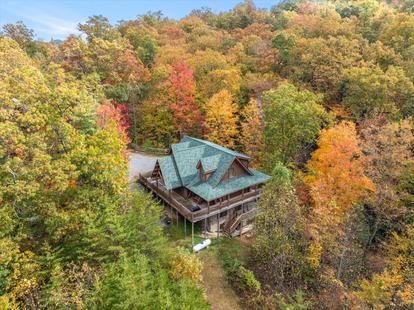
But here's the payoff: when the sun does break through, or when a dusting of snow settles on the ridgelines, it's genuinely stunning — and with the leaves down, you get long, clear mountain views you simply can't see any other time of year. Snow in the valley towns is occasional rather than guaranteed (a few inches across the month is typical, more up high), so come for the quiet and the views, and treat a snowfall as a bonus.
The crowds: blissfully, almost eerily, absent
This is the number-one reason to come in late January. After the holidays wind down and before Valentine's Day and spring break pick up, the area hits its deepest lull of the year. Restaurants seat you right away. Trails feel like your own. The Parkway isn't a parking lot. If you've only ever seen the Smokies shoulder-to-shoulder in October or July, a late-January visit is a completely different, far more peaceful experience — and lodging rates are typically at their lowest, which makes it the most budget-friendly time to get a great cabin.
What's open — and what's not
This is the honest trade-off of the deep off-season. Plenty is still open, but some headliners are dormant, so plan around it:
Closed or dormant
- Dollywood is closed in January and February for its off-season — it reopens in the spring, so a January trip won't include the park.
- Some smaller seasonal attractions and restaurants run reduced hours or close midweek. Always check ahead.
Open and often at their best
- The national park is open year-round and gorgeous in winter — bare trees, quiet trails, and those long views. Lower-elevation trails stay accessible (though they can be icy), while high roads like the route over Newfound Gap can close during storms.
- Ober Gatlinburg typically runs its winter season — skiing, snow tubing, ice skating, and the tram — weather permitting, which is a real late-January draw.
- Indoor attractions like Ripley's Aquarium of the Smokies, the Arts and Crafts Community galleries, shows, and shopping carry on all winter — perfect for a cold afternoon.
- The winter lights from the area's Winterfest/Winter Magic celebration often stay up and glowing into late winter, so you may still catch them in late January (worth confirming dates before you count on it).
For a fuller breakdown, our guides to what's open and closed in the Smokies in January and top things to do in winter go deeper on the specifics.
What a late-January day actually feels like
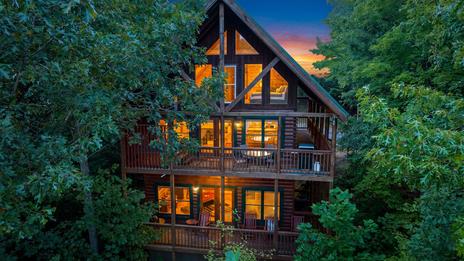
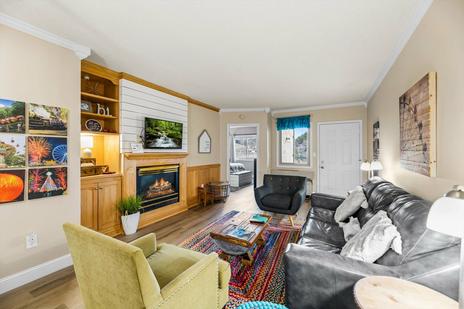
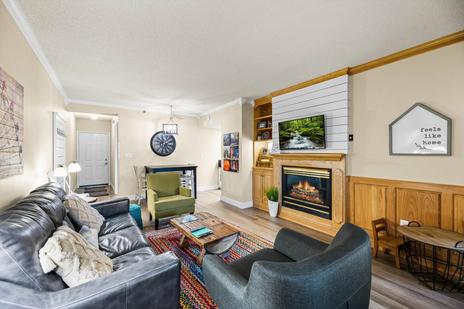
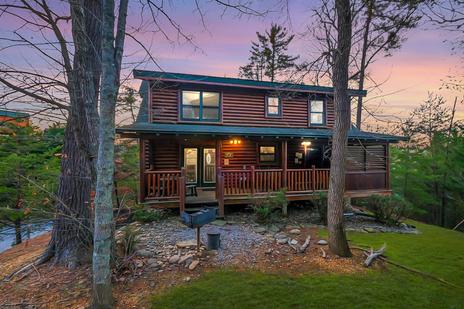
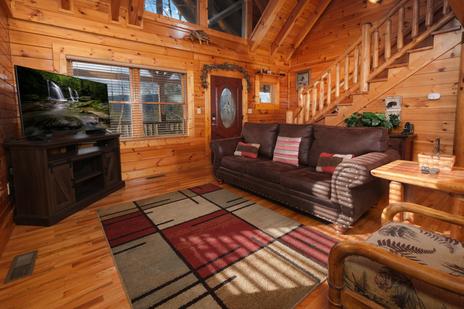
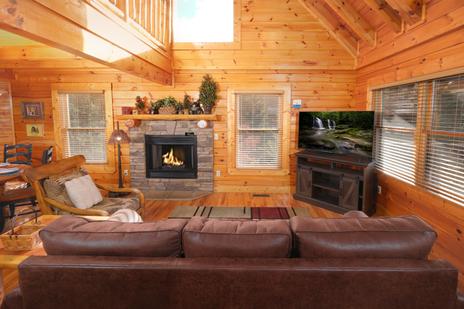
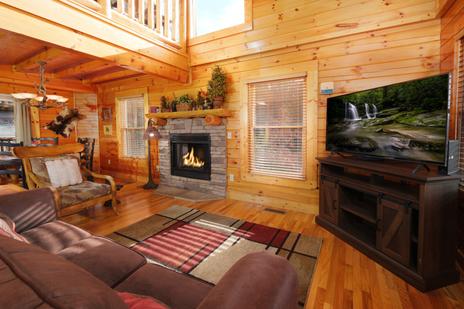
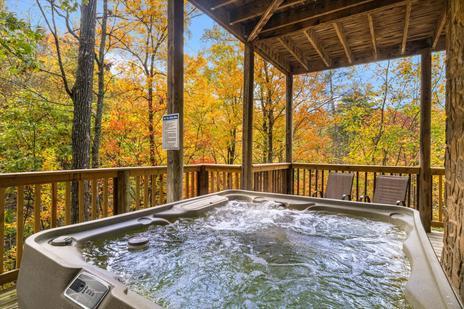
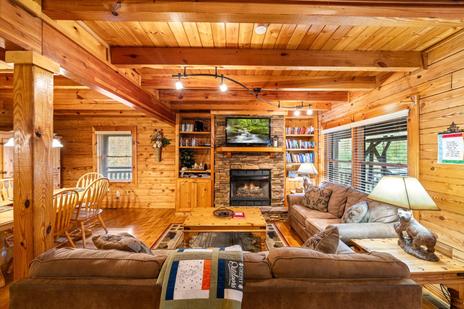
Picture it: you wake up in a warm cabin with coffee and a fire going, mist hanging in the valley below. You drive into a near-empty national park, walk a quiet trail where you can see clear through the bare forest to ridgelines miles away, and don't pass more than a handful of people. You grab a late lunch somewhere that would've had a two-hour wait in October, and you're seated immediately. By late afternoon you're back at the cabin, hot tub steaming in the cold air, the whole evening ahead of you with nowhere to be. That's the late-January rhythm — slow, spacious, and restorative in a way the busy seasons never are.
Who late January is (and isn't) for
It's perfect if you want peace and quiet, lower prices, cozy cabin time, dramatic bare-mountain views, and maybe a little snow — couples, writers, remote workers, and anyone craving a genuine slow-down. It's probably not for you if a Dollywood day or guaranteed warm-weather outdoor plans are the whole point of the trip, or if gray, cold days will dampen your mood. Come in with the right expectations and late January rewards you; come expecting a bustling summer-style vacation and you'll be disappointed.
Tips for a great late-January trip
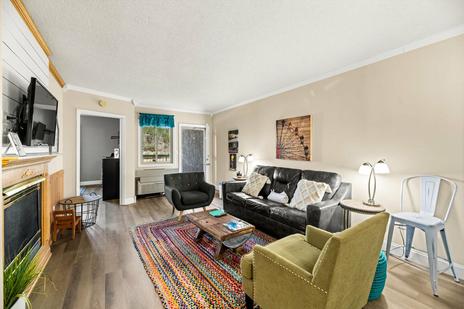
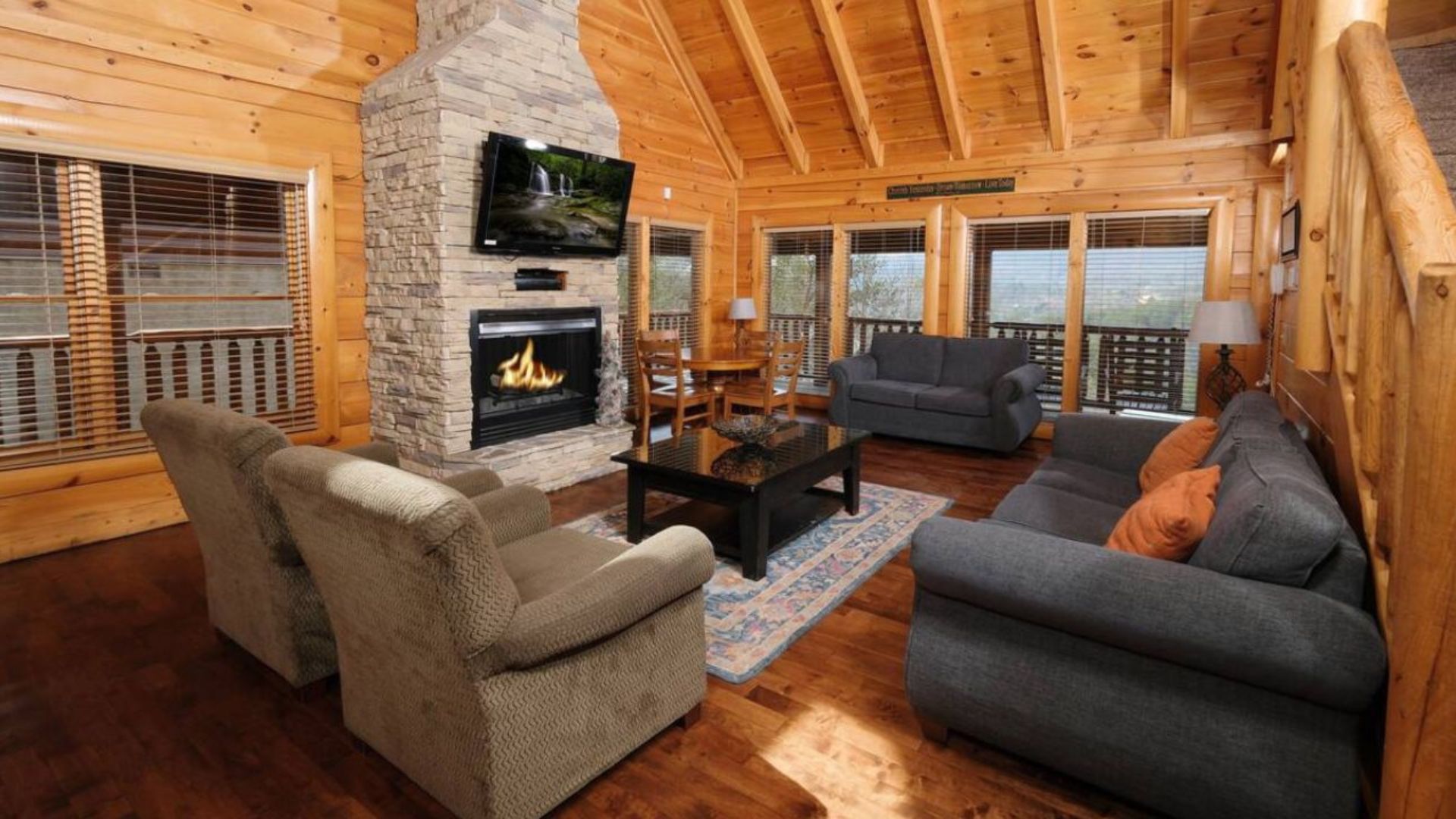
- Lean into cozy. A cabin with a working fireplace and a hot tub turns cold evenings into the best part of the trip — and in winter, those features are genuinely in their element.
- Pack real layers. Warm coat, hat, gloves, and waterproof shoes with grip — trails and steps can be icy.
- Check the roads. Before driving into the high country, check the National Park Service for current road conditions; mountain roads can close in winter weather.
- Confirm hours ahead. With reduced off-season schedules, a quick check saves a wasted drive — especially midweek.
- Have an indoor plan. Build in a few indoor options so a gray day still feels like a win.
The bottom line
Late January in the Smokies is cold, quiet, and occasionally gray — and for exactly those reasons, it's one of the most peaceful and affordable times to come. You trade the big-ticket crowds and guaranteed sunshine for solitude, long mountain views, the lowest prices of the year, and the deep comfort of a warm cabin while winter does its thing outside. If that sounds like your kind of trip, late January just might be the Smokies at their most underrated.
Frequently asked questions
What's the weather like in the Smokies in late January?
Expect daytime highs usually in the mid-40s and overnight lows around freezing, with a fair number of overcast days. Snow is occasional in the valley towns (a few inches across the month is typical) and more common at higher elevations. With the leaves down, you also get long, clear mountain views you can't see in other seasons.
Is it worth visiting the Smokies in late January?
For the right traveler, absolutely. It's the deepest off-season — blissfully uncrowded, with the lowest lodging rates of the year, cozy cabin weather, and dramatic bare-mountain scenery. It's ideal if you want peace, quiet, and value; less ideal if you're counting on Dollywood or guaranteed warm-weather outdoor plans.
Is Dollywood open in late January?
No. Dollywood is closed in January and February for its off-season and reopens in the spring. If a Dollywood day is central to your trip, you'll want to visit during its operating season instead.
Can you still see the winter lights in late January?
Often, yes. The area's Winterfest/Winter Magic light displays frequently stay up and running into late winter, so a late-January visit can still catch them. Dates vary, so confirm with the specific venue or town before you plan around it.
What should I pack for a late-January Smokies trip?
Real winter layers: a warm coat, hat, gloves, and waterproof shoes with good grip, since trails and steps can be icy. Plan for cold evenings and the occasional gray day, and bring a few indoor-activity ideas so weather never derails the trip.
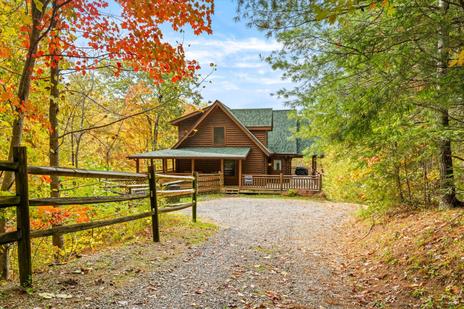
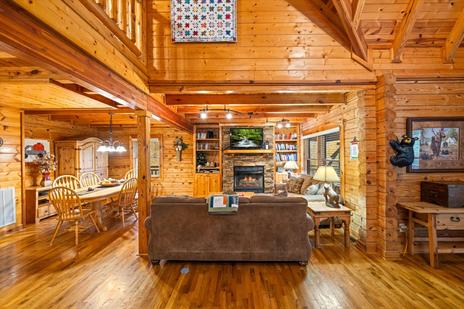
The quiet magic of late January is best enjoyed from a warm cabin — fireplace lit, hot tub steaming, the whole peaceful season just outside. Colonial Properties offers cozy cabins across Gatlinburg, Pigeon Forge, Sevierville, and Wears Valley at the most affordable time of year. Find your winter hideaway and settle in.