Stargazing in the Smokies: Best Dark-Sky Spots Near Your Cabin
Published Sep 9, 2026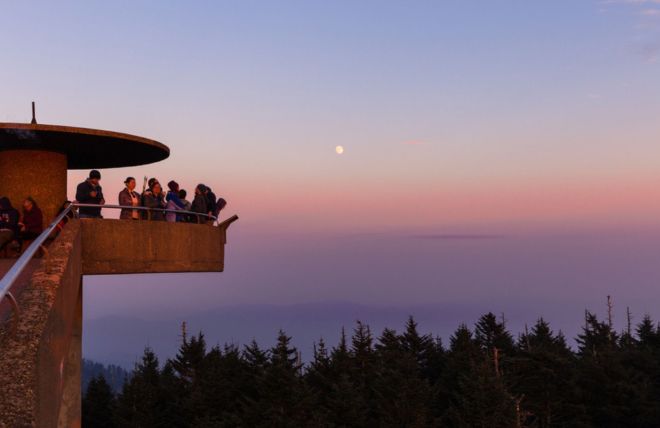
Away from the glow of the Parkway, the Smoky Mountain sky puts on a show most visitors never think to look up for. The same remote valleys and high ridges that make the park a nature destination by day become genuine dark-sky territory after nightfall — clear enough, on the right night, to see the Milky Way arc from ridge to ridge. Here's where to find the darkest skies near your cabin, and how to make the most of a night under the stars.
- Best accessible after-dark spot: Newfound Gap overlook (open 24 hours, year-round)
- Highest elevation: Kuwohi at 6,643 ft — road open seasonally (April 1–November 30); confirm hours before a night visit
- Best time of month: around the new moon, when the sky is darkest
- Best time of night: after 11 PM, once the sky fully darkens
- What to bring: a red-light flashlight, warm layers, a blanket or chairs, and a star-chart app
- Easiest option of all: the deck of a secluded, mountain-view cabin
Start with your cabin deck
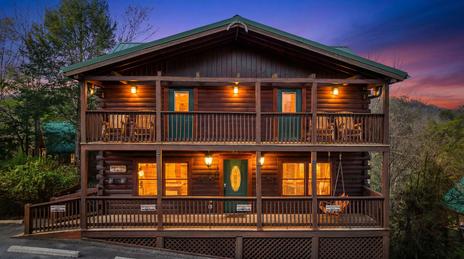
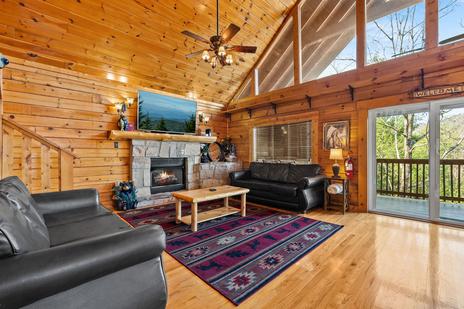
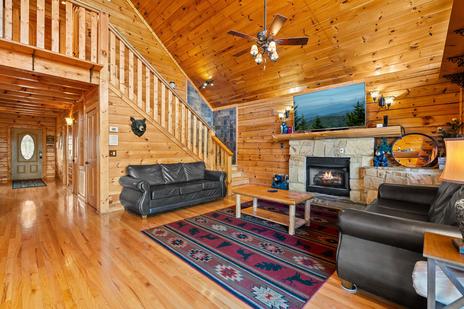
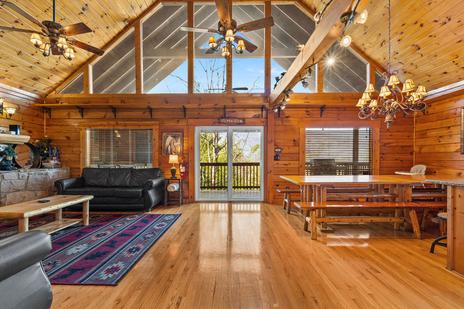
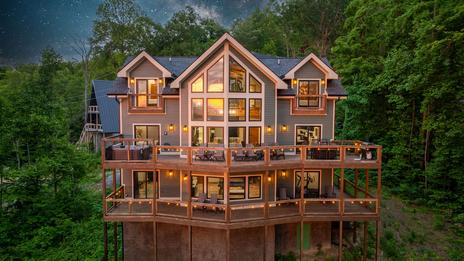
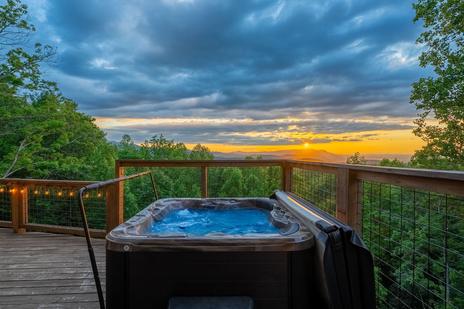
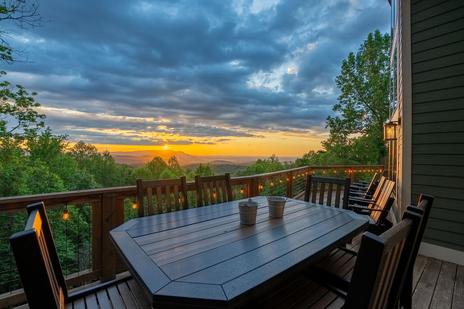
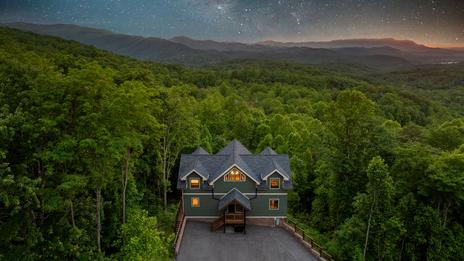
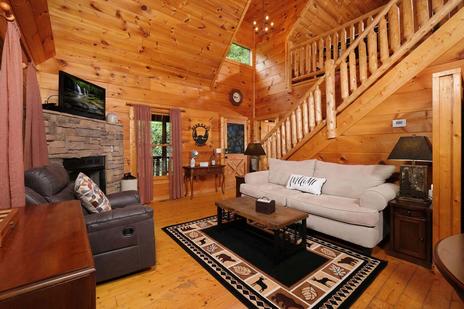
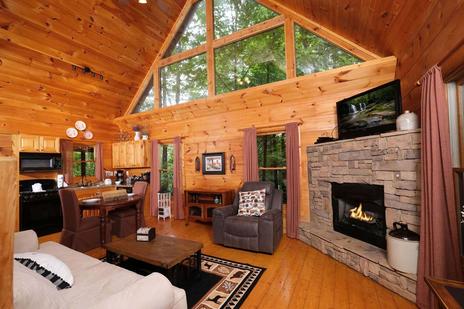
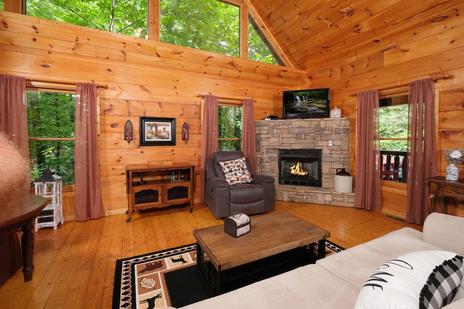
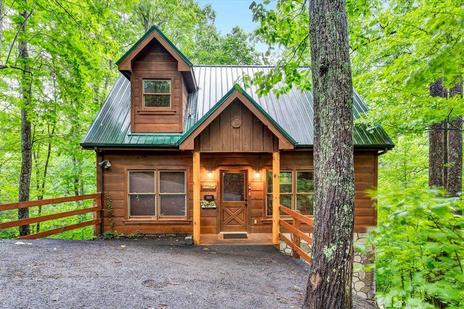
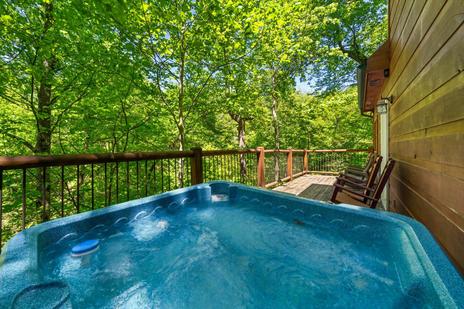
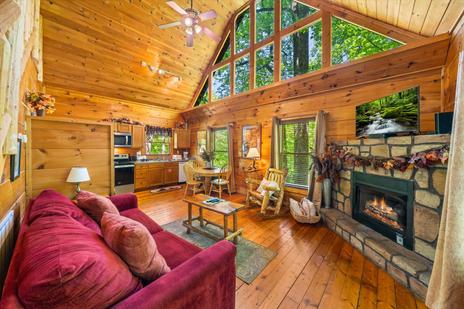
The single most convenient dark-sky spot in the Smokies might be right outside your door. A secluded cabin set back in the trees, away from the Parkway's light, gives you a private stargazing platform with no driving, no gate hours, and no crowds — just step onto the deck, let your eyes adjust, and look up. A mountain-view cabin on a ridge or in a quiet cove often has a genuinely dark sky overhead, and the hot tub makes for the most comfortable stargazing seat you'll ever use.
The darker your cabin's setting, the better — cabins deeper in the mountains and farther from downtown Gatlinburg and Pigeon Forge will have noticeably less light pollution than those right on the strip. If a starry night is a priority for your trip, look for a secluded property with an open deck or a clearing to the south.
1. Newfound Gap
For casual stargazers, Newfound Gap is the best spot in the park — and the key reason is simple: it's actually open at night. Sitting on the Tennessee–North Carolina state line at just over 5,000 feet, the overlook is accessible 24 hours a day, year-round (weather permitting), with a large parking area and no gate to worry about. Park at the overlook, walk to the far end of the lot away from any car headlights, and let your eyes adjust for 15–20 minutes. The wide-open southern sky, the high elevation, and the distance from town lights combine for genuinely excellent viewing — the Milky Way, meteor showers, and planets all come through on a clear, moonless night.
Tip: Newfound Gap Road is the main route between Gatlinburg and Cherokee, so it can carry occasional traffic even at night. Position yourself at the edge of the lot facing away from the road, and time your visit for a weeknight around the new moon for the darkest, quietest experience.
2. Kuwohi (formerly Clingmans Dome)
Kuwohi is the highest point in the park and in Tennessee, and on a clear night the view of the sky from near the summit is unmatched anywhere in the Smokies. Two things to plan around, though. First, the access road is seasonal — Kuwohi Road is open to vehicles April 1 through November 30 and closed December 1 through late March, when the summit can only be reached on foot. Second, road hours and any nighttime access can vary, and the summit area has been subject to construction and periodic closures. Because of that, always confirm current Kuwohi Road status and hours at nps.gov/grsm before planning a night visit rather than assuming the road is open after dark.
Check road status before you go. Kuwohi Road is closed December 1 through late March, and hours and nighttime access during the open season can change with weather, construction, or park policy. Confirm current status at nps.gov/grsm before heading up, and never rely on being able to drive down from the summit after dark without verifying first. Dress warmly — the summit runs 10–20°F colder than the valley.
3. Cades Cove
Cades Cove's wide, open valley floor, ringed by mountains and far from any town, offers one of the darkest and most expansive skies in the park. The catch here is access: the Cades Cove Loop Road is gated and open only from sunrise to sunset, so you can't simply drive in for a midnight session. The best way to stargaze in the Cove is at an organized event — the Smoky Mountains Astronomical Society holds a popular annual stargazing gathering in the Cove (typically in fall), and the Cades Cove Campground allows registered campers to enjoy the night sky from within the valley. If you're visiting for an organized star party, the Cove's darkness is hard to beat. See our full Cades Cove guide for planning.
4. Foothills Parkway overlooks
The Foothills Parkway runs along the ridgelines just outside the park boundary, and unlike the gated park roads, its overlooks are open around the clock. The ridge-top position gets you above much of the valley haze, and the numerous pull-offs make it easy to find a spot. The western section does pick up some light bleed from Maryville and the Tennessee foothills to the northwest, so face south and east toward the darker mountain skies for the best viewing. The Look Rock area on the western section, with its short walk to an observation tower, is a local favorite. See our guide to the best scenic overlooks in the Smokies.
5. Blue Ridge Parkway overlooks (North Carolina side)
If you're exploring the North Carolina side of the park or driving up from Cherokee, the Blue Ridge Parkway's numerous high-elevation overlooks are excellent dark-sky pull-offs. Waterrock Knob, one of the highest overlooks on the southern Parkway, offers a sweeping vantage for constellations, meteor showers, and the Milky Way. The Parkway overlooks are open 24 hours and generally sit far from significant light pollution, making the NC side a strong option for travelers based near the Cherokee/Bryson City area.
How to stargaze like a pro
- Check the moon phase. The nights around a new moon are dramatically darker than a full-moon week. Plan your stargazing night for the darkest part of the lunar cycle if you can.
- Check the forecast. Clear skies are everything. High-elevation spots like Kuwohi and Newfound Gap are often clouded in when the valley is clear, so check the mountain forecast, not just the town forecast.
- Go late. The sky is darkest after about 11 PM, once twilight has fully faded.
- Let your eyes adjust. Give your eyes a full 15–20 minutes in the dark before judging the view — night vision takes time to develop, and it's worth the wait.
- Use a red flashlight. White light destroys your night vision and everyone else's. Use a red-light flashlight or your phone's red-screen mode to see the path.
- Bundle up. Mountain nights run much colder than the valley, especially at elevation — bring more layers than you think you'll need, plus a blanket or reclining chairs.
- Bring a star app or chart. A phone star-chart app (with the screen dimmed and set to red) makes finding constellations and planets far more rewarding.
- Watch for meteor showers. The annual Perseids (August) and Geminids (December) are among the best, and the Smokies' dark skies make them spectacular.
A note on safety after dark
The park's wildlife is active at night — this is bear country, and elk, deer, and other animals move around after dark. Stay near your vehicle at the overlooks, keep food secured, don't wander onto unlit trails at night, and never approach any animal you encounter. Cell service is limited to nonexistent at most high-elevation overlooks, so tell someone your plan, bring a charged phone, and watch your footing in the dark. Winding mountain roads at night deserve extra caution — drive slowly and watch for wildlife crossing.
Frequently asked questions
Where is the best stargazing in the Smoky Mountains?
For accessible after-dark stargazing, Newfound Gap is the best spot — it's open 24 hours year-round, sits above 5,000 feet, and requires no hiking. Kuwohi (the highest point) is spectacular but its road is seasonal, so confirm current hours before a night visit. Cades Cove offers some of the darkest skies but has gated hours, so it's best visited for an organized star party. And a secluded mountain-view cabin deck is the most convenient option of all.
Can you stargaze at Clingmans Dome (Kuwohi) at night?
The Kuwohi access road is open seasonally (April 1–November 30; closed December 1–late March), and it's a superb spot to watch twilight and the emerging stars from the highest point in the park. Nighttime road access and hours can vary with weather and park policy, so confirm current status at nps.gov/grsm before planning a late visit. For reliably 24-hour after-dark access, Newfound Gap is the safer bet.
What's the best time of year for stargazing in the Smokies?
Late spring through early fall offers the most comfortable temperatures and the clearest high-elevation nights, and summer brings the Milky Way core into view along with the August Perseid meteor shower. Winter skies can be exceptionally clear and crisp, but high-elevation roads may be closed or icy. Any season, aim for a clear night around the new moon.
Do I need special equipment to stargaze in the Smoky Mountains?
No — the naked eye reveals thousands of stars and the Milky Way on a dark, clear night. Binoculars enhance the view of star clusters and the moon, and a telescope brings planets and deep-sky objects into range, but neither is required. A red flashlight, warm layers, and a star-chart app are the genuinely useful items.
Is it safe to stargaze in the national park at night?
Yes, with sensible precautions. Stay at established overlooks near your vehicle, keep food secured (this is bear country), avoid unlit trails after dark, dress warmly, and drive mountain roads slowly while watching for wildlife. Cell service is limited at high elevations, so share your plans and bring a charged phone.
The best seat for a Smoky Mountain night sky is a secluded cabin deck with a hot tub and a clear view overhead. Browse Colonial Properties' mountain-view cabins and book your stargazing getaway.