A Digital Nomad's Guide to Working Remotely from a Smoky Mountain Cabin
Published Sep 11, 2026
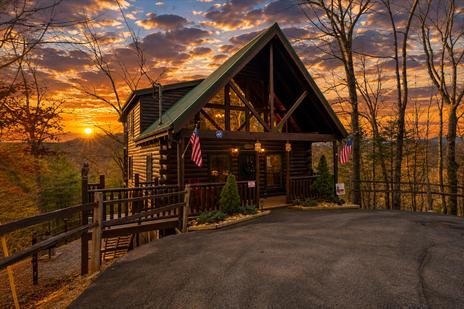
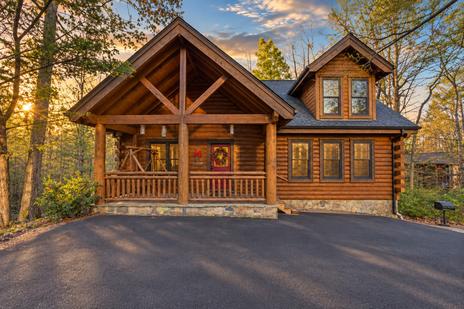
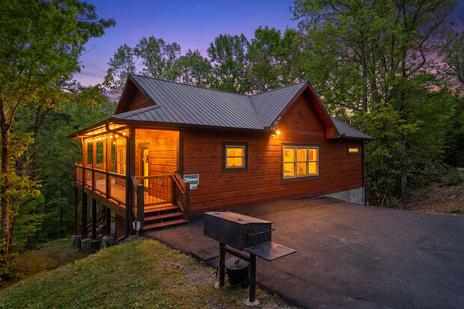
If your office is wherever your laptop opens, few backdrops beat a Smoky Mountain cabin — coffee on a misty deck before your first call, a national-park trail at lunch, a hot tub when you log off. A cabin makes a genuinely great remote-work base, with one honest caveat you need to plan around: mountain connectivity is uneven, and the difference between a productive workcation and a frustrating one comes down to choosing the right cabin and setting up well. Here's how to do both.
First, the honest part: connectivity in the mountains varies
Let's get the most important thing out of the way, because it's the thing that makes or breaks a remote-work trip here. Internet and cell service in the Smoky Mountains are genuinely inconsistent — a function of steep terrain, dense forest, and remote coves. Some cabins have fast, reliable fiber or cable internet and full cell bars; others, sometimes only a few miles away in a deep hollow, have slow DSL, satellite, or spotty service at best. The national park itself has little to no cell coverage in most areas.
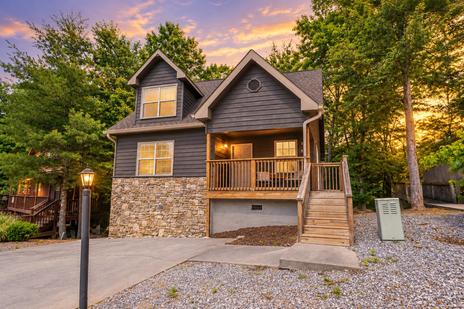
This isn't a reason to skip a Smoky Mountain workcation — plenty of cabins have excellent connectivity. It's a reason to verify before you book rather than assume. A cabin that's perfect for a screen-free family vacation may be unworkable for back-to-back video calls, and there's no way to tell from the photos.
Browse cabins with WiFi as your starting point, and confirm the details for your specific work needs before you commit.
What makes a cabin a good remote-work base
Reliable, fast internet
The non-negotiable. Look for cabins that specifically advertise high-speed WiFi, ideally fiber or cable. If your job depends on video calls, large file transfers, or a VPN, this is the single most important feature — more important than the view, the hot tub, or anything else on your list.
A real workspace
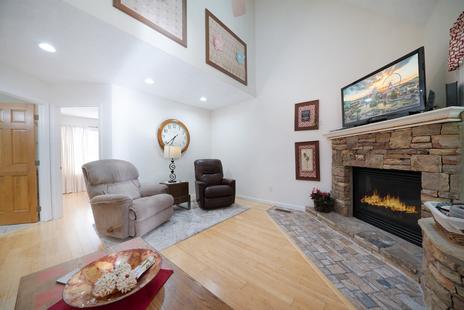
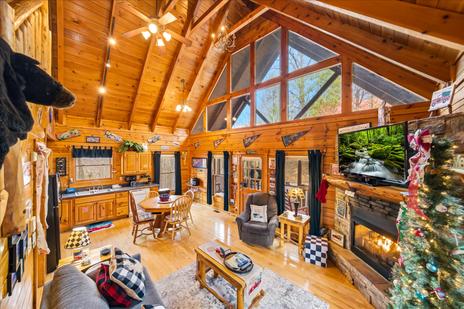
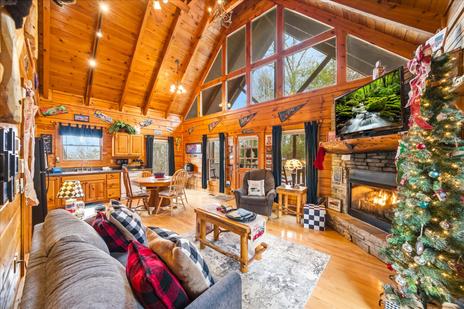
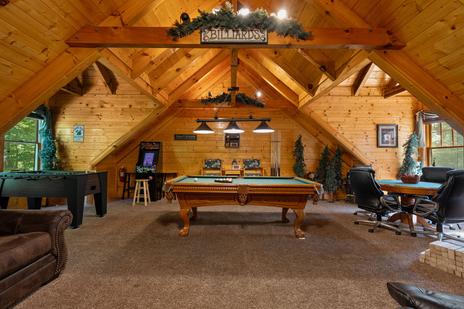
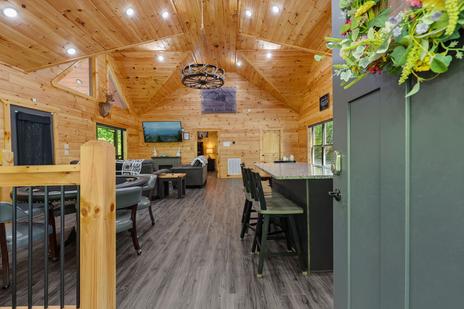
A dedicated table, desk, or kitchen island where you can set up a laptop and maybe a second monitor beats hunching over a coffee table on the couch. A cabin with a defined dining area or a spare room you can commandeer as an office makes a multi-day work trip far more sustainable. Good natural light and a comfortable chair matter more than you'd think over a full work week.
A backup connectivity plan
Even at a well-connected cabin, mountain weather and rural infrastructure mean outages happen. Smart remote workers bring a backup: a phone with a strong signal for your carrier and a hotspot plan, so a dropped cabin connection doesn't mean a missed deadline. Check your carrier's coverage map for the specific area before you rely on a hotspot as backup.
Separation between work and everyone else
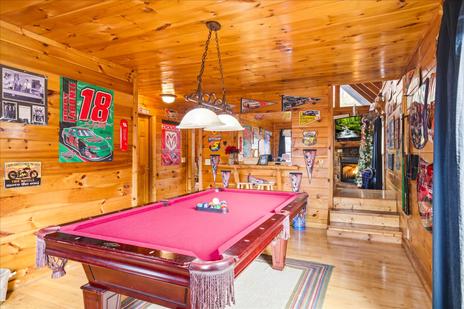
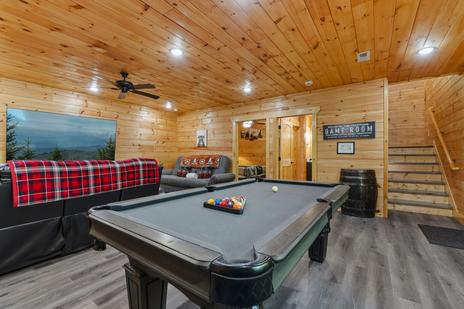
If you're traveling with family or friends who are on vacation while you're working, a larger cabin with multiple living areas lets you take a call in peace while everyone else enjoys the trip. A bedroom or bonus room with a door is worth its weight during a 2 p.m. meeting.
The amenities that make the workday better
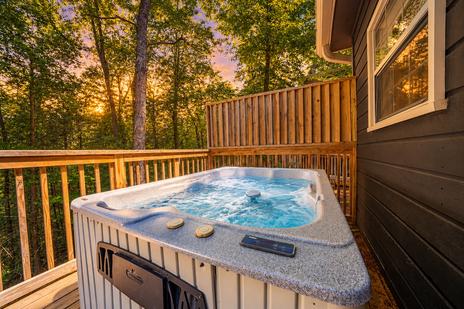
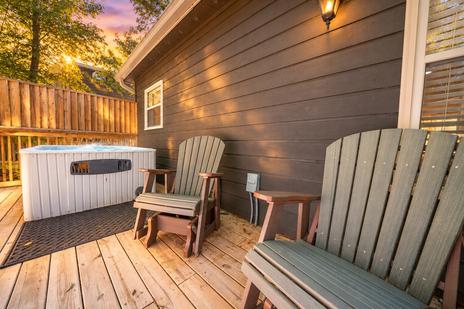
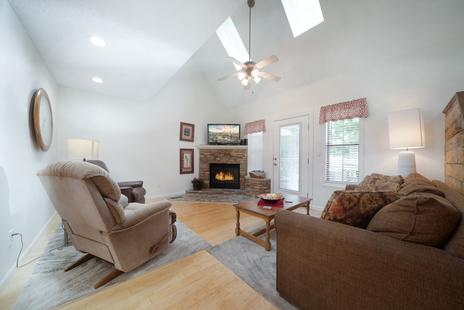
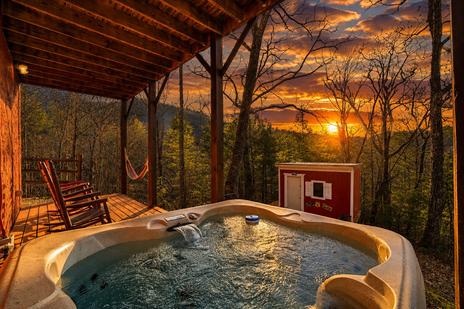
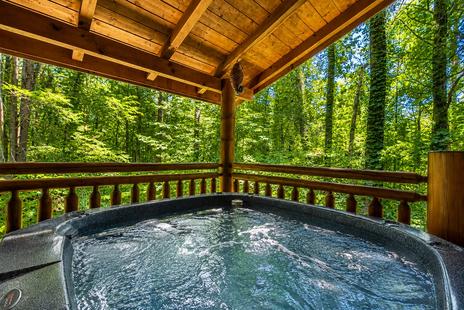
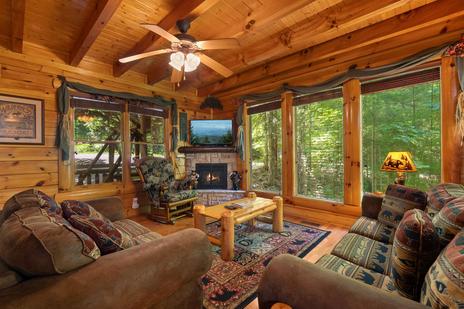
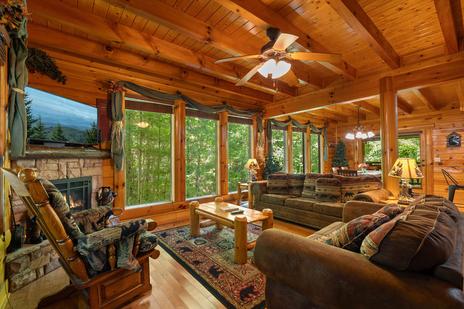
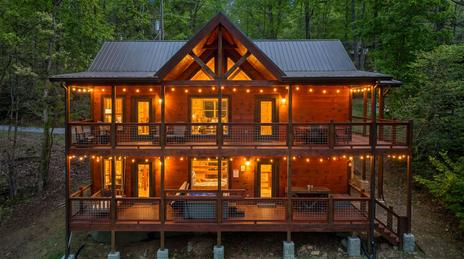
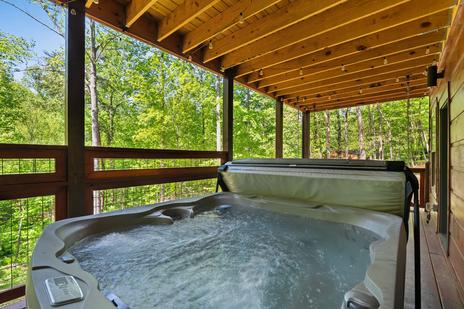
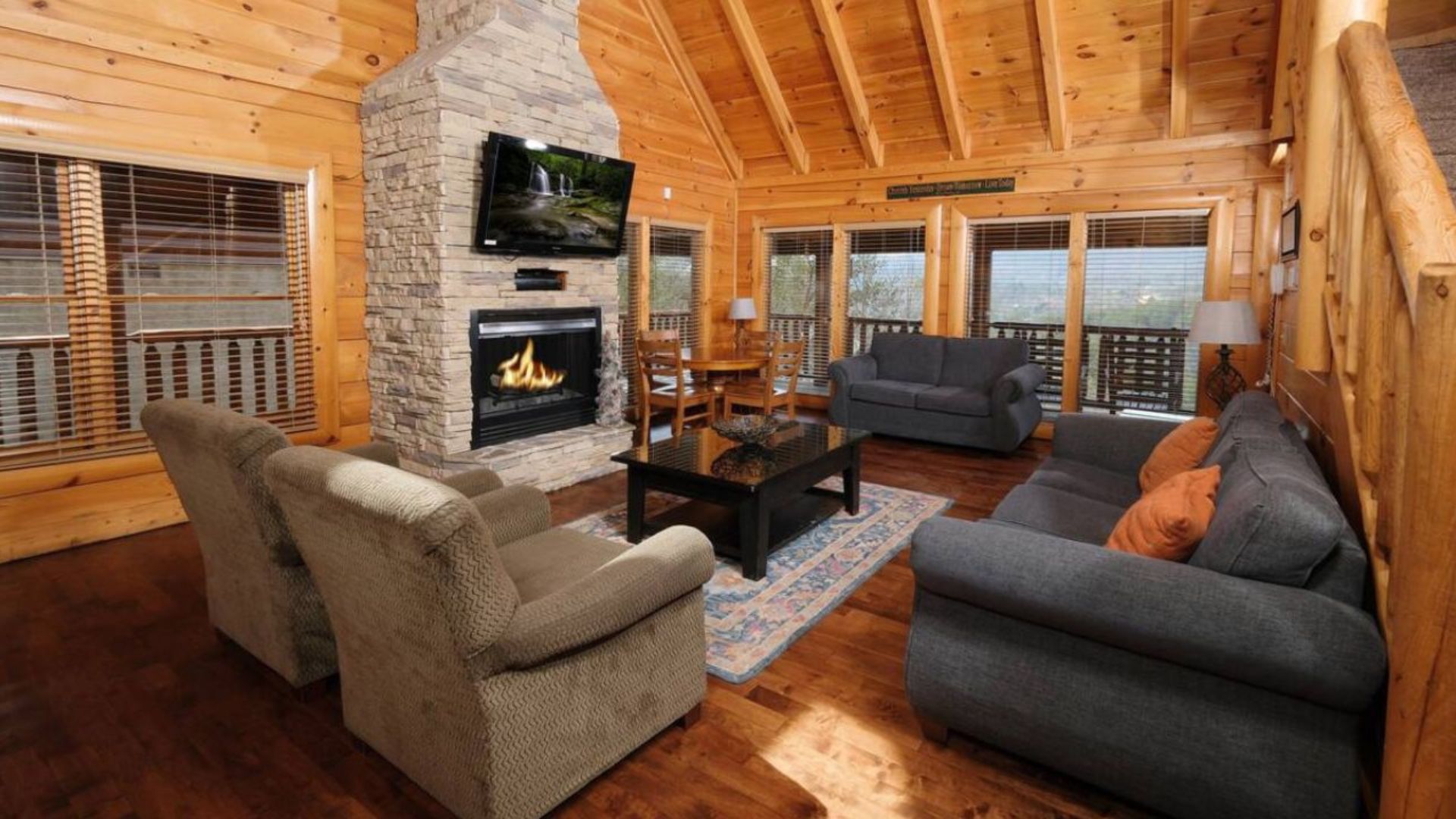
A full kitchen for real meals instead of takeout, a hot tub or covered deck for breaks, a fireplace for cozy focus on a rainy afternoon, and a mountain view out the window during a long call — these are the things that make working from a cabin feel like a genuine change of scene rather than just your home office relocated.
Setting up your mountain workday
Test everything on arrival
Before your first workday, run a speed test, make a test video call, and confirm your hotspot backup works at the cabin. Finding out about a connectivity problem at check-in gives you time to adapt; finding out five minutes before a client call does not.
Work with the mountain rhythm
One of the best things about a Smoky Mountain workcation is structuring the day around the setting. Start early and knock out focused work while the valley is quiet and misty, take a real lunch break on a short trail or a deck, and finish the day with the hot tub or a drive as the light goes gold. The mountains reward people who log off on time.
Mind the time zone
The Smokies are on Eastern Time. If your team or clients are on the West Coast, that's a three-hour offset in your favor for early mornings — a genuinely nice setup for getting focused work done before the West Coast comes online.
Coffee-shop backup: If your cabin's connection falters or you just want a change of scene, downtown Gatlinburg, Pigeon Forge, and nearby Sevierville have coffee shops with WiFi, and Knoxville (under an hour away) has a full range of cafés and coworking options for a day when you need guaranteed bandwidth.
The payoff: your lunch break is a national park
Here's what a remote worker gets in the Smokies that a city coworking space can't offer. Your midday break can be a waterfall hike or a drive through Cades Cove. After you log off, the Gatlinburg Parkway, Dollywood, and dozens of restaurants are minutes away. Weekend mornings start on a trail instead of in traffic. And the setting itself — forest, fog, birdsong, dark skies at night — is the kind of environment that lowers stress and sharpens focus in a way an open-plan office never will.
For a longer stay, the region genuinely works as a temporary base: full-kitchen cabins for real cooking, laundry on-site, grocery stores minutes away in Pigeon Forge and Sevierville, and enough to do on evenings and weekends that a multi-week stay never gets old. It's a workcation that can stretch into a season.
Where to base yourself
- Gatlinburg — closest to the national park and a walkable downtown; good for someone who wants trails and town both within easy reach.
- Pigeon Forge — central to attractions, dining, and shopping, with the broadest range of cabins; convenient for a working stay with plenty to do after hours.
- Wears Valley — the quiet side, for someone who wants maximum peace and focus (just verify connectivity carefully here, as it's more rural).
- Near the national park — cabins near the park for someone whose priority is trail access on breaks and after hours.
Frequently asked questions
Do Smoky Mountain cabins have reliable internet for remote work?
Many do, but it varies significantly by cabin and location — mountain terrain and remote coves mean connectivity ranges from fast fiber to spotty service. For a remote-work trip, treat internet as a hard requirement: choose a cabin that specifically advertises reliable high-speed WiFi, confirm the internet type and speed before booking, and bring a hotspot backup.
How do I find a cabin with good WiFi in the Smokies?
Start with cabins that specifically list WiFi as an amenity, then confirm the specifics for your work — internet type (fiber and cable are best), typical speeds if your work is bandwidth-heavy, and cell coverage for your carrier at that location. Colonial Properties' cabins-with-WiFi collection is a good starting point.
Is there cell service in the Smoky Mountains?
Cell service is inconsistent — good in and near the towns of Gatlinburg, Pigeon Forge, and Sevierville, but weak or nonexistent in remote areas and throughout most of Great Smoky Mountains National Park. Check your specific carrier's coverage for your cabin's location, and don't count on cell signal inside the park.
What time zone are the Smoky Mountains in?
Eastern Time. If your colleagues or clients are on the West Coast, the three-hour offset works in your favor for uninterrupted focused work in the early mornings.
Can I do a long-term remote-work stay in a cabin?
Yes — many owners and managers offer extended-stay and monthly rates, and cabins come with full kitchens, laundry, and everything you need for a multi-week base. Grocery stores are minutes away in Pigeon Forge and Sevierville, and there's enough to do on evenings and weekends to keep a longer stay fresh. Confirm connectivity and ask about extended-stay pricing.
Trade the home office for a mountain view — just choose your cabin with connectivity in mind. Browse Colonial Properties' cabins with WiFi and find a base that works as hard as you do.