Old Sugarlands Trail: A Complete Guide
Published Nov 14, 2026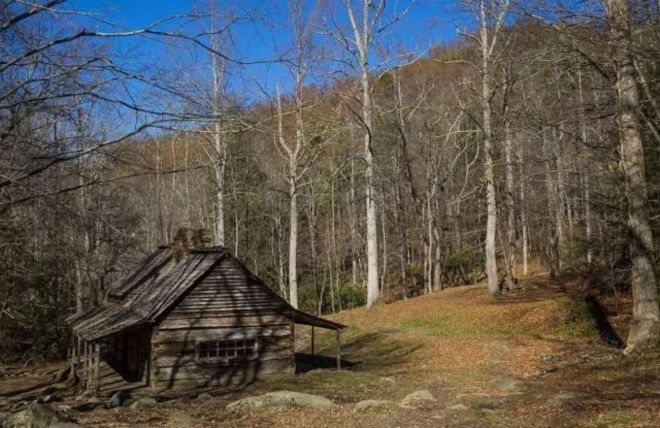
Most trails in the Smokies lead to a view or a waterfall. Old Sugarlands Trail leads into the past. This wide, gentle path just inside the park's main entrance follows the route of an old roadbed through what was once a thriving mountain community, and it's scattered with the quiet remnants of the people who lived here before the park existed — homesites, stone walls, a cemetery, and the traces of a Depression-era work camp. For hikers who love history as much as scenery, it's one of the most rewarding easy walks in the national park.
It's also refreshingly accessible: smooth, mostly gentle, and close to Gatlinburg, which makes it a great choice for families, history buffs, and anyone wanting a meaningful walk without a strenuous climb.
The quick facts
The trailhead sits near Park Headquarters, just inside the park's main entrance off Newfound Gap Road near the Sugarlands area — only a few minutes from Gatlinburg. The trail is wide and smooth because it was once a road, which keeps the grade gentle and the footing easy for most of its length. You can walk as far as you like and turn back, which makes it flexible for any energy level. Because trail distances, junctions, and conditions change, check the current National Park Service trail information before you go to plan how far you'll walk.
A trail that used to be a road
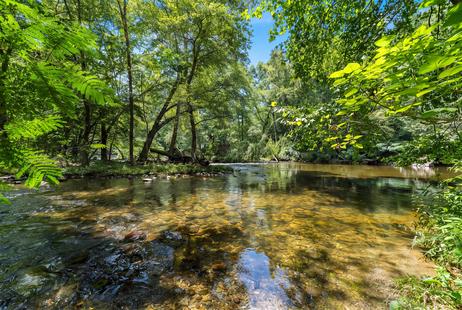
Part of what makes Old Sugarlands so easy underfoot is its history: the path was a public road — an early route through the mountains — before Newfound Gap Road was built and took over the job. That origin is why the trail is so broad and even, a graded corridor rather than a narrow footpath. It follows the West Prong of the Little Pigeon River for a stretch, with the sound of moving water alongside you, and winds through forest that has grown back over what was once an inhabited valley.
The old Sugarlands community
Before the national park was established in the 1930s, this valley — "the Sugarlands," named for its sugar maples — was home to a settled mountain community: families, farms, a school, and churches. When the park was created, residents left, and the forest slowly reclaimed the land. What remains are the quiet markers of that life: moss-covered stone steps that once led to porches, rock walls, old foundations, and homesite clearings tucked just off the main trail. Walking here, you're moving through a community that was, which gives the hike a reflective, almost elegiac feeling you don't get on a typical trail.
Sugarlands Cemetery
One of the trail's most moving features is the old community cemetery, reached by a side path. Its gravestones — some generations old, some still tended with fresh flowers by descendants — are a tangible link to the families who called this valley home. It's a place to walk quietly and with respect.
The Civilian Conservation Corps camp
The valley has a second layer of history. During the Great Depression, from the early 1930s into the early 1940s, a Civilian Conservation Corps camp operated here — part of the federal work program that built much of the park's early infrastructure, trails, and roads. Remnants of the camp still stand along the trail, including the base of an old clock tower, a quiet monument to the young men who helped shape the park you're hiking in today.
What to look for
Stone remnants — walls, steps, and foundations just off the main path mark where homes and structures once stood. They're easy to miss if you're not looking, and fascinating once you are.
The river — the West Prong of the Little Pigeon runs alongside part of the trail, a pleasant companion for the walk.
Wildflowers — in spring especially, the trail is known for its wildflowers, a bonus on top of the history.
Quiet — because it doesn't lead to a marquee view or waterfall, Old Sugarlands stays peaceful even when the park's famous trails are packed. That solitude is part of its appeal.
Tips for your hike
Come for the history, not the vista — set your expectations right. This is a walk through the past, not a climb to a panorama, and it's wonderful on those terms.
Leave what you find — the stone remnants, artifacts, and gravestones are protected pieces of the park's history. Look, photograph, and leave everything exactly where it is; it's both the law and the right thing to do.
Wear decent shoes — the grade is gentle, but it's still a real trail, and the side paths to the cemetery and homesites are rougher than the main corridor.
Treat the cemetery with respect — descendants still visit. Keep it quiet and undisturbed.
Frequently asked questions
Where does Old Sugarlands Trail start?
Near Park Headquarters, just inside the national park's main entrance off Newfound Gap Road near the Sugarlands area — only a few minutes' drive from Gatlinburg. Check current National Park Service trail information for the exact trailhead and parking.
Is Old Sugarlands Trail difficult?
It's one of the gentler trails in the park — wide and smooth because it was once a road, with an easy grade for most of its length. You can walk as far as you like and turn back, so it suits most energy levels, including families. The side paths to the cemetery and homesites are a bit rougher.
What's the history of the trail?
The path follows an old road through the former Sugarlands community, a settled mountain valley of farms, homes, a school, and churches before the park was created in the 1930s. It also passes the remnants of a Civilian Conservation Corps camp from the Depression era. Stone walls, foundations, a cemetery, and an old clock-tower base remain.
Can I take anything I find on the trail?
No. The stone remnants, artifacts, and everything else along the trail are protected pieces of the national park's history. Leave everything exactly where it is — look and photograph, but take nothing.
Is this a good trail for families?
Yes — the gentle grade, the easy footing, the river, and the treasure-hunt feeling of spotting old stone remnants make it engaging for kids and manageable for most ages, as long as everyone understands the history is to be respected, not disturbed.
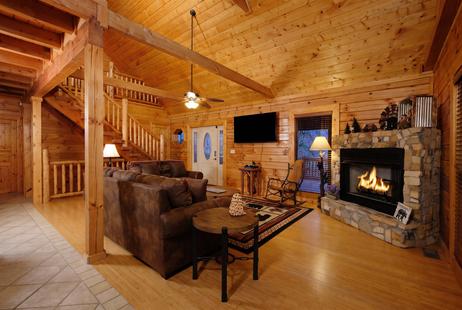
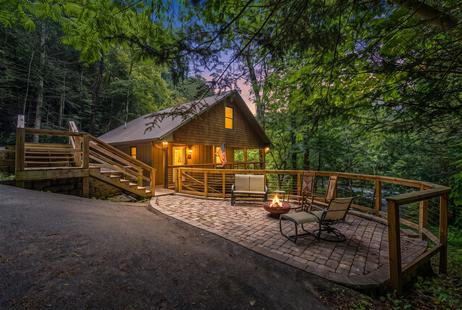
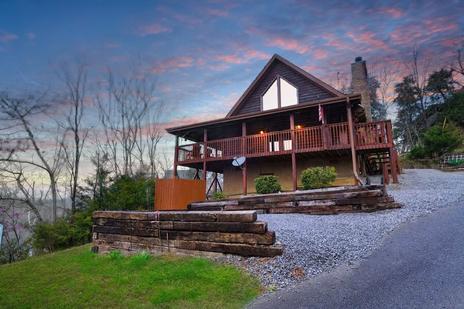
Trails like Old Sugarlands are the reward of staying close to the park and taking your time. Find a Smoky Mountain cabin near the Gatlinburg entrance, and pair this walk with our guides to the area's kid-friendly hikes and park visitor centers.