Find These 6 Hidden Secrets at Dollywood
Published May 24, 2022
Dollywood rewards visitors who look closely. Beyond the rides and the well-marked attractions, the park contains a layer of history, tribute, and detail that most guests walk past without noticing. Here are six things worth looking for.
The heroes' autograph signatures
Scattered throughout Dollywood — in concrete, in metalwork, and on surfaces throughout the park's original areas — are the signatures of the heroes and celebrities who visited during the park's early years. These autographs were pressed into wet concrete or integrated into permanent fixtures at various points in the park's history and remain embedded in the infrastructure decades later. They're not labeled or signed; finding them is a matter of looking down and paying attention to the surfaces underfoot and around building foundations in the older sections of the park, particularly in Rivertown Junction and Craftsman's Valley. The exact locations are not on any official map — they're passed along by regular visitors.
The ghosts of Silver Dollar City
Dollywood's name changed in 1986 when Dolly Parton partnered with Herschend Family Entertainment, but the park's original identity as Silver Dollar City (a Branson, Missouri concept) left traces throughout the property that remain visible today. Several place names, structural elements, and design details in the older sections of the park trace directly to the Silver Dollar City era. The transition from mountain heritage theme to Dolly Parton's identity happened gradually rather than all at once, and observant visitors can see where the two identities overlap — in signage styles, in building placement, and in the park's general layout, which was established during the Silver Dollar City years.
The shy resident eagle
Dollywood's Eagle Mountain Sanctuary is the park's largest avian raptor exhibit — a free-flight aviary housing bald eagles and other birds of prey that cannot be released into the wild due to permanent injury. The sanctuary is well-signed and frequently visited, but the shyest of the resident eagles — typically found perched away from the main viewing areas — requires patience and quiet to observe. Rangers who staff the sanctuary can point you toward the birds that are active and visible on a given day. The sanctuary also serves an educational and rehabilitation function, and staff members are genuinely knowledgeable about each bird's individual history and species behavior.
Hidden tributes to Appalachian heritage
Throughout Craftsman's Valley and Rivertown Junction, Dollywood has embedded tributes to specific Appalachian traditions, family names, and historical figures that are never explicitly identified by signage. Plaques, nameplates on buildings, and decorative elements in the metalwork reference real families and communities from the Sevier County area that existed before the park. The Valley Forge Blacksmith shop, the Robert F. Thomas Chapel (named for a real local physician), and several other structures carry specific historical references that deepen with research. The Robert F. Thomas Chapel is particularly worth entering — it's a working nondenominational chapel used for weddings and services, named for a physician who served the mountain communities by mule in the early 20th century.
The Water Clock
Near the entrance to Craftsman's Valley, a water-powered clock uses the flow of a creek through wooden troughs to a small water wheel to display the date — but the year shown is 1882, a permanent nod to the park's Appalachian heritage theming. The clock is modeled on a similar clock at the original Silver Dollar City park in Branson, Missouri, and it functions continuously throughout operating hours. Most visitors walk past it without stopping. The mechanism is genuinely worth a few minutes of attention — water powers the wheel, the wheel advances the date display, and the anachronism of seeing today's month and day next to the year 1882 is a small, well-executed bit of park storytelling.
Dolly's Dream Box
At the DreamMore Resort adjacent to Dollywood, a display case holds the Dream Box — a personal artifact that Dolly Parton placed there as a tribute to her belief in the power of dreaming. The box contains a recording of a song she wrote and recorded specifically for it, with instructions that the song was not to be released until January 19, 2046 — what would have been her 100th birthday. Dolly Parton passed away in August 2026, and the Dream Box has taken on a different weight since: the song will still be released in 2046 as she intended, making it one of the most unusual pieces of musical legacy in American popular culture. Seeing the Dream Box in person — at the DreamMore Resort rather than inside the park itself — is a quiet and somewhat moving stop for visitors who know what it contains and when it's meant to be heard.
Frequently asked questions
Do you need a Dollywood ticket to see Dolly's Dream Box?
No — the Dream Box is at the DreamMore Resort, which is adjacent to but separate from the Dollywood theme park. You do not need a park admission ticket to visit the resort lobby and see the display. The DreamMore Resort is open to non-guests in its public spaces.
Where exactly is the Water Clock at Dollywood?
The Water Clock is located in the Craftsman's Valley area near the entrance to that section of the park. It's easy to miss on a busy day — look for the wooden trough system and small water wheel mechanism near the valley's main path. The date display shows today's month and day with the year 1882.
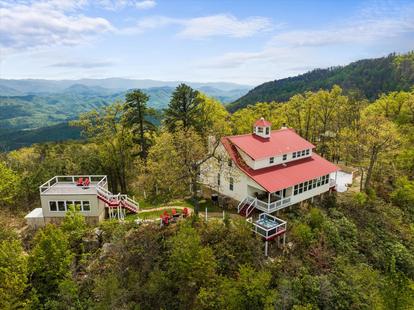
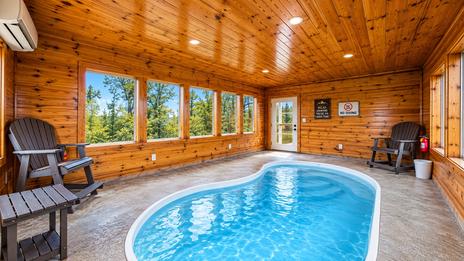
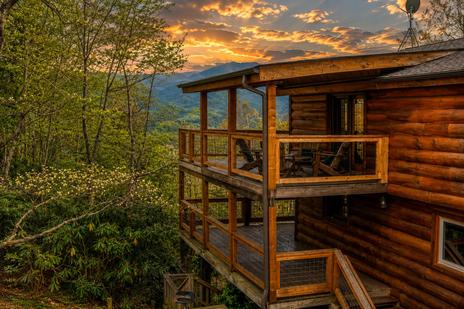
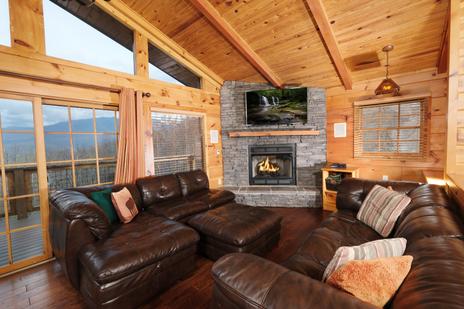
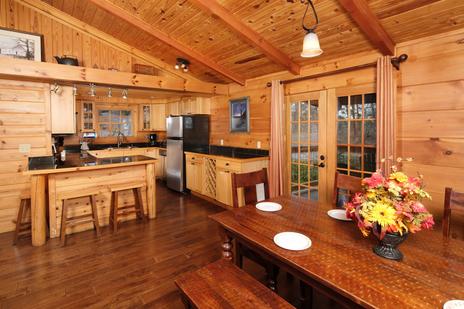
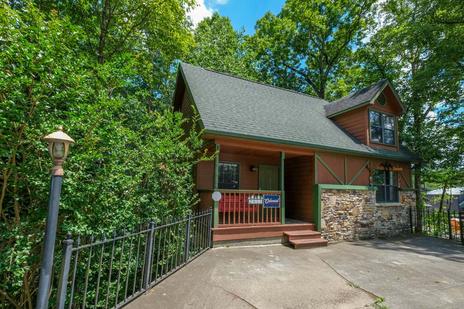
A cabin near Dollywood keeps you close to both the park and the DreamMore Resort — and gets you to the park entrance before the main parking rush.